CHINA AND BEETHOVEN
中国与贝多芬
LIVE | ONLINE | WORLDWIDE • December 11-18, 2020
welcome
The 3rd annual China Now Music Festival presents 8 online events celebrating the extraordinary story of Beethoven’s cultural and musical rise in Chinese society.
THANK YOU to everyone who tuned in to our live, free events. But if you missed something, don’t worry! Past events can all be viewed on each of the event pages below.
view past events
Orchestra Concert
The festival closes with a landmark performance of Beethoven’s complete Egmont, in a new production by the China NCPA Orchestra and filmed this November in Beijing.
Roundtable Discussion
Hosted by Asia Society and moderated by author Sheila Melvin, this discussion with the filmmakers of the documentary Beethoven in Beijing plus special guests will look at the future of culture and diplomacy through classical music.
Private Film Screening
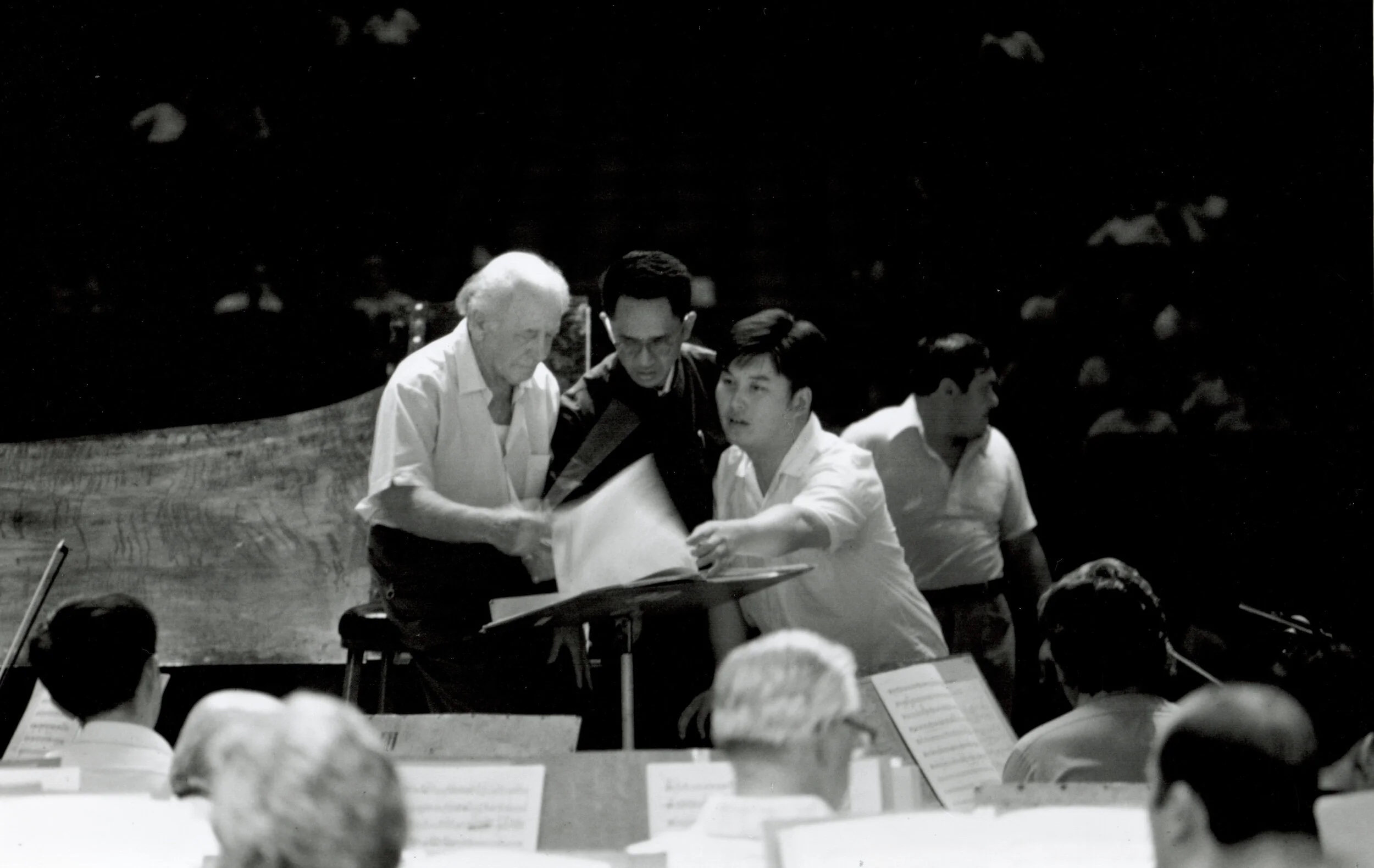
Enjoy an exclusive screening of the new documentary film following the Philadelphia Orchestra on their first historic trip to China in 1973.
Concert
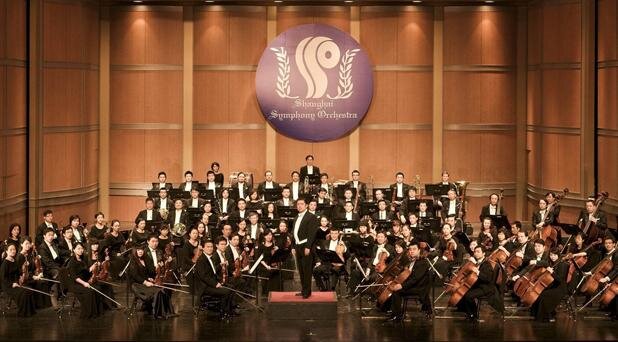
Celebrate Beethoven’s birthday with the illustrious Shanghai Symphony, featuring a selection of recent performances of some of Beethoven’s most iconic symphonic and chamber works, specially selected for the China Now Music Festival.
Producer’s Expo
Host Jindong Cai and guests will offer a peek into the Chinese market for all things Beethoven, looking beyond traditional classical music concerts to three unique productions currently underway in China: a play, a Broadway-style musical, and a multi-media exhibition.
Lecture/Concert
Experience musical interpretations of Beethoven with Chinese accents, presented by bass-baritone Shenyang, pipa virtuoso Wu Man, composer/conductor Tan Dun, and musicians of the prestigious Central Conservatory of Music.
Webinar (in Chinese)
China Institute’s Renwen Society hosts Jindong Cai in a webinar discussion in Chinese of his book Beethoven in China: How the Great Composer Became an Icon in the People’s Republic.
Concert/Lecture
The festival’s opening event traces the story of Beethoven’s ascent into the cultural imagination of China will be told through discussions with music scholars and musical interludes from the US and China.
featured artists and speakers
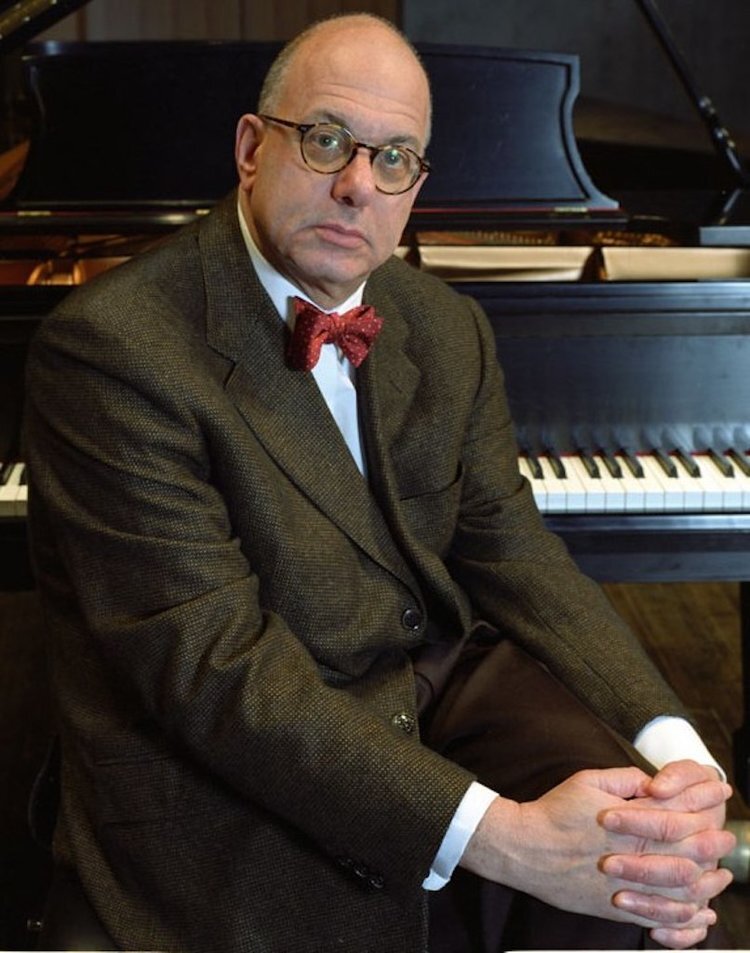
Leon Botstein has been president of Bard College since 1975. An innovative voice in American higher education, he has sought to recast undergraduate liberal arts education in a new model that contributes to the character of culture and public life. He has published widely in the fields of education, music, and history and culture. President Botstein is also music director and principal conductor of the American Symphony Orchestra and Bard’s The Orchestra Now. More information at leonbotstein.com
President Botstein offers opening remarks on Beethoven’s role in society in the first evening of the 2020 China Now Music Festival, ‘China’s Sage of Music.’
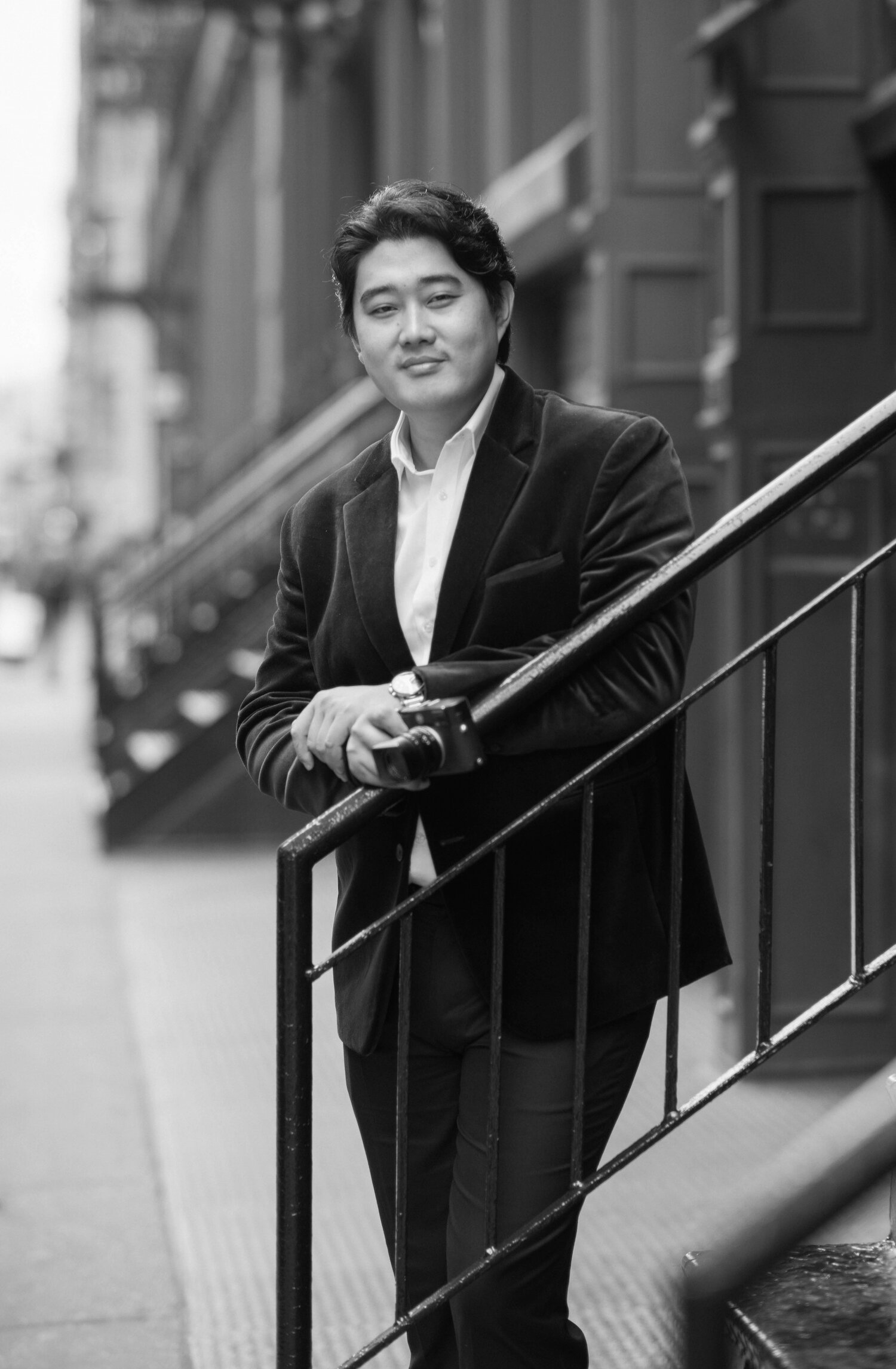
Artistic Director, China Now Music Festival
Conductor Jindong Cai is director of the US-China Music Institute, professor of music and arts at Bard College, and associate conductor of The Orchestra Now. Over his 30-year career in the United States, Cai has established himself as an active and dynamic conductor, scholar of Western classical music in China, and leading advocate of music from across Asia. Cai founded the US-China Music Institute at the Bard Conservatory in 2017 and created the Institute’s the annual China Now Music Festival in the following year. In its first two seasons, China Now presented new works by some of the most important Chinese composers of our time, with concerts performed at Lincoln Center, Carnegie Hall, Bard’s Fisher Center, and Stanford University.
Dean, Bard College Conservatory of Music
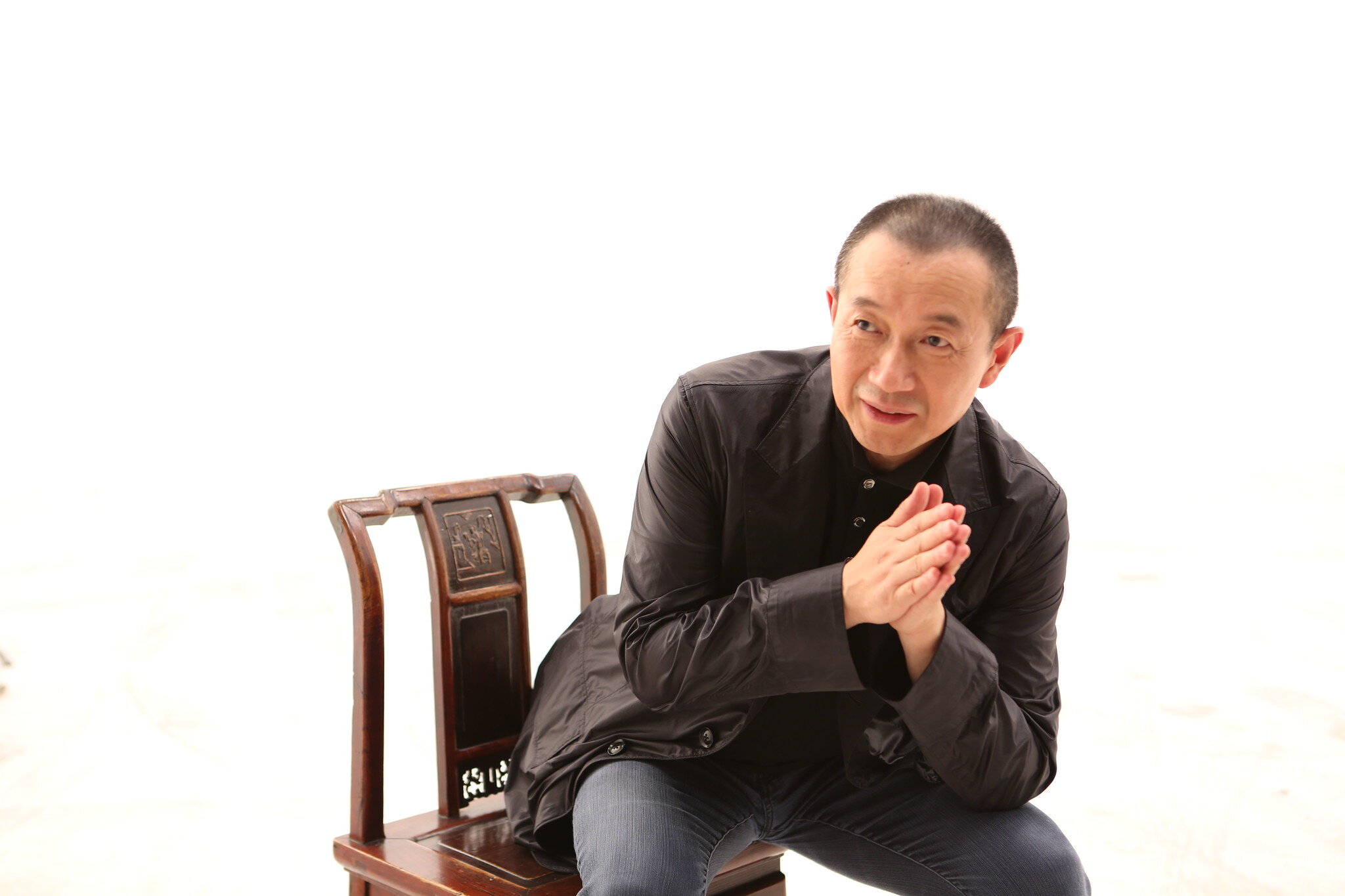
The world-renowned artist and UNESCO Global Goodwill Ambassador Tan Dun, has made an indelible mark on the world’s music scene with a creative repertoire that spans the boundaries of classical music, multimedia performance, and Eastern and Western traditions. A winner of today’s most prestigious honors including the Grammy Award, Oscar/Academy Award, Grawemeyer Award, Bach Prize, Shostakovich Award, and most recently Italy’s Golden Lion Award for Lifetime Achievement, Tan Dun’s music has been played throughout the world by leading orchestras, opera houses, international festivals, and on radio and television. In 2019, Tan Dun was appointed dean of the Bard College Conservatory of Music. As dean, Tan Dun will further demonstrate music’s extraordinary ability to transform lives and guide the Conservatory in fulfilling its mission of understanding music’s connection to history, art, culture, and society. Read more at http://tandun.com
The China Now Music Festival is thrilled to be presenting Tan Dun’s Internet Symphony No. 1 (Eroica) in the ‘Beethoven Made in China’ program on Dec 13, performed by the You Tube Symphony Orchestra.
Recognized as the world’s premier pipa virtuoso, Wu Man is a soloist, educator and composer who gives her lute-like instrument—which has a history of more than 2,000 years in China—a new role in both traditional and contemporary music. Wu Man has premiered hundreds of new works for the pipa, while spearheading multimedia projects to both preserve and create global awareness of China’s ancient musical traditions. Projects she has initiated have resulted in the pipa finding a place in new solo and quartet works, concertos, opera, chamber, electronic, and jazz music as well as in theater productions, film, dance, and collaborations with visual artists. Read more at wumanpipa.org
Wu Man is artistic advisor to the US-China Music Institute, offering master classes in Chinese music and improvisation at the Bard College Conservatory of Music. For the China Now Music Festival, she has adapted a Beethoven piece originally written for mandolin and harpsichord, which she will play on the pipa with harp accompaniment during the ‘Beethoven Made in China’ program on December 13.
As the winner of the BBC Cardiff Singer of the World in 2007, Shenyang was immediately propelled into the spotlight with an array of international engagements including debuts at the Metropolitan Opera, Glyndebourne Festival, Bayerische Staatsoper, Opernhaus Zürich and Washington National Opera. A decade on, this Chinese Bass-baritone has established himself as one of the finest voices of his generation, has amassed an expansive repertoire for both the opera and concert stages, and enjoys enduring relationships with a wide range of today’s pre-eminent conductors. Read more at shenyang-music.com
For the ‘Beethoven Made in China’ program on Dec 13, Shenyang will perform traditional Chinese ‘school songs’ which were composed using tunes from Beethoven during the early 20th Century. Shenyang will also serve as the evening’s co-host. Shenyang also performs during the Dec 15 program ‘Shanghai Symphony: Night of Beethoven.’
Artistic Director: Yu Long
Shanghai Symphony Orchestra is one of the earliest and best-known orchestral ensembles of its kind in Asia. Originally known as the Shanghai Public Band, it was renamed the Shanghai Municipal Orchestra in 1922. Notably under the baton of the Italian conductor Mario Paci, the orchestra promoted Western music and trained Chinese young talents very early on in China, and was the first to introduce the first Chinese orchestral music to the public. With a long history of 141 years, Shanghai Symphony Orchestra is synonymous with the history of China's symphonic music development. Spanning three different centuries, the Shanghai Symphony has now embraced a new era. The orchestra created a series of musical products, including: the Concert Season, the Shanghai New Year’s Concert, the Spring Festival Concert, and Music in the Summer Air. These performances have not only fostered cultural exchange but have also built a bridge between people, orchestras and nations. Read more at shsymphony.com
The China Now Music Festival is honored to have fostered a close partnership with the Shanghai Symphony for this year’s festival, ‘China and Beethoven.’ Their performance of composer Yu Jingjun’s Beethoven Variations will be featured in the Dec 13 program ‘Beethoven Made in China,’ and on Dec 15 the festival will devote an evening to recent performances by the orchestra in ‘Shanghai Symphony: a Night of Beethoven.’
Music Director: Lü Jia
Conductor Laureate: Chen Zuohuang
China NCPA Orchestra is the resident orchestra of the National Centre for the Performing Arts (NCPA), Beijing. Since its founding in 2010, the orchestra has fast established itself as one of the most adventurous and dynamic orchestras in the country and earned an international reputation through extensive performances abroad. For more information, visit en.chncpa.org
In this unpredictable 2020, the NCPAO led by the Music Director LÜ Jia has collaborated with many artists in presenting an online concert series over several months. In November, the NCPAO announced its 2020-21 season after several rounds of adjustments. In celebration of the 250th anniversary of Beethoven’s birth, Music Director LÜ Jia conducted the NCPAO in Egmont with actor SUN Qiang. NCPAO generously contributed their Egmont performance for the final event of the 2020 China Now Music Festival on Dec 18.
Music Director: Leon Botstein
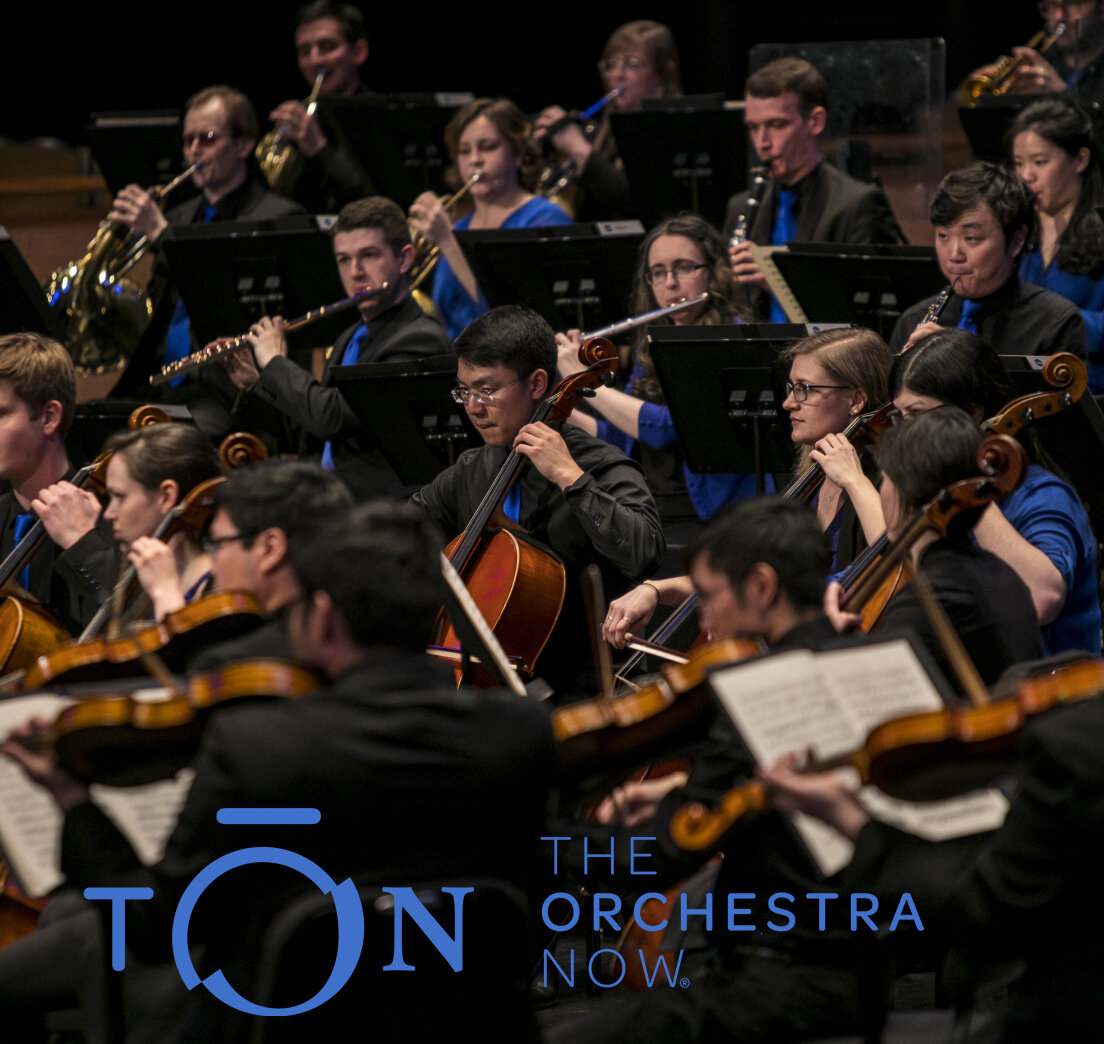
The Orchestra Now (TŌN) is a group of vibrant young musicians from across the globe who are making orchestral music relevant to 21st-century audiences by sharing their unique personal insights in a welcoming environment. Hand-picked from the world’s leading conservatories—including The Juilliard School, Shanghai Conservatory of Music, Royal Conservatory of Brussels, and the Curtis Institute of Music—the members of TŌN are enlightening curious minds by giving on-stage introductions and demonstrations, writing concert notes from the musicians’ perspective, and having one-on-one discussions with patrons during intermissions. Conductor, educator, and music historian Leon Botstein founded TŌN in 2015 as a graduate program at Bard College, where he is also president. The orchestra’s home base is the Frank Gehry-designed Fisher Center at Bard, where they perform multiple concerts each season and take part in the annual Bard Music Festival. Learn more at theorchestranow.org
Having performed major new works by Chinese composers in the first two seasons of the China Now Music Festival, TŌN makes a special contribution this year in the Dec 11 opening event, with a historic representation of the 17-member Peking University Orchestra, active in the 1920’s and the first Chinese orchestra to play Beethoven symphonies.
Music Director: Yannick Nézet-Séguin
The Philadelphia Orchestra is one of the world’s preeminent orchestras. It strives to share the transformative power of music with the widest possible audience, and to create joy, connection, and excitement through music in the Philadelphia region, across the country, and around the world. Through innovative programming, robust educational initiatives, and commitment to the community, the ensemble is on a path to create an expansive future for classical music, and to further the place of the arts in an open and democratic society. Read more at philorch.org
The China Now Music Festival is proud to be presenting a special screening of the new documentary film about the orchestra, Beethoven in Beijing: and Orchestra’s Journey on Dec 16. On Dec 17, Asia Society hosts a roundtable discussion with the filmmakers, the orchestra’s executive director, Ryan Fleur, and special guests.
Music Director: Cao Peng
The Shanghai Youth Philharmonic Orchestra was established with the aim of making an “urban cultural name card” for Shanghai, the international metropolis, and its modern education, gathering high-quality resources of arts education in Shanghai, and setting up a high-level platform for orchestral music for students in Shanghai. The renowned artist CAO Peng is the Music Director of the Shanghai Youth Philharmonic Orchestra. Principal players from the Shanghai Symphony Orchestra and other renowned ensembles, both in China and abroad, act as instructors for all parts. The Shanghai Youth Philharmonic Orchestra participates in the annual Music in the Summer Air Festivai (MISA).
The orchestra’s rousing performance of the final movement of Beethoven’s Fifth Symphony during the 2020 MISA festival will be presented in the opening program of the China Now Music Festival, ‘China’s Sage of Music,’ on Dec 11.
Why Beethoven? Why China?
At the turn of the twentieth century, students returning from abroad introduced Beethoven to China. The composer's perseverance in the face of adversity and his musical genius resonated in a nation searching for a way forward. Beethoven has remained a durable part of Chinese life in the decades that followed, becoming an icon to intellectuals, music fans, and party cadres alike, and playing a role in major historical events from the May Fourth Movement to the normalization of US China relations. First introduced to China in 1906, he inspired intellectuals like Lu Xun, who considered him a role model for dedication and aesthetic taste, and aspiring musicians. As a man who refused to bow to royalty, Beethoven was celebrated by the Communist Party in the early days of the revolution before he was banned for composing bourgeois music in the cultural vacuum of the 60s and 70s. After the Cultural Revolution and the death of Mao, ‘Beethoven fever’ would sweep the country, presaging his present-day popularity.
The China Now Music Festival: China and Beethoven, explores the many ways that China has embraced, interpreted, and enthusiastically appreciated the man and his work with a series of musical and scholarly online events, coinciding with the week of Beethoven’s birth in 1770.
about the china now music festival
The China Now Music Festival is an annual series of events produced by the US-China Music Institute of the Bard College Conservatory of Music. Dedicated to promoting an understanding and appreciation of classical music from contemporary China, each year’s festival explores a singular theme. The inaugural festival in 2018, Facing the Past, Looking to the Future: Chinese Composers in the 21st Century, presented US and world premieres of orchestral works by 11 living Chinese composers in concerts at Bard College, Carnegie Hall, and Lincoln Center. The following year, the festival presented China and America: Unity in Music at Bard College, Carnegie Hall, and Stanford University, and featured the world premiere of the symphonic oratorio ‘Men of Iron and the Golden Spike,’ a major new work by Pulitzer Prize-winning composer Zhou Long honoring the Chinese railroad workers of the American West on the 150th anniversary of the completion of the Transcontinental Railroad.