
BARD EAST/WEST ENSEMBLE CHAMBER OPERA AND DANCE CONCERT
- Rose Theater Jazz at Lincoln Center New York, NY United States (map)

SEASON EIGHT

The 2025 China Now Music Festival concludes with a dynamic 3-part program of multi-sensory and multi-disciplinary performances, featuring propulsive percussion, contemporary dance, and a new chamber opera.
The Bard East/West Ensemble performs, comprising of a Western string quintet, seven Chinese instrumentalists, and two percussionists, with Jindong Cai and Shutong Li conducting.
Come early for a pre-concert talk with artistic director Jindong Cai, composer Ma Hanrui, and choreographer Dai Jian, starting at 2:15pm in Rose Theater. (for ticket holders only)
On sale now! Tickets starting at $15.
-
Guan Naizhong 关乃忠 (b. 1939)
From The Age of the Dragon percussion concerto 《龙年新世纪》
1. The Sun 太阳
4. The Earth 大地
Shutong Li 李梳曈, conductor and arranger
Shiqi Zhong 钟世祺, Chinese percussion
Jaelyn Quilizapa, percussionINTERMISSION
Ma Hanrui 马晗蕊 (b. 1998)
Mi 谜 (The Enigma), a chamber opera
Pan Geng 潘耕, libretto
Erike (the Officer): Eric Carey, tenor
Feng: Yu Xiangwei 于向偉, Peking opera male dan
Reporter/Judge: Nathaniel Sullivan, baritoneINTERMISSION
Wang Danhong 王丹红 (b. 1985)
Four Seasons in Lingering Garden symphonic poem 《四季留园》
1. Spring Breeze Awakens the Garden
2. Dappled Green in Summer Shade
3. Fragrance of Osmanthus on the Wind
4. Watching the Snow from the Pavilion
Arr. Shutong Li 李梳曈
Dai Jian 戴剑, choreographer
Wang Kan 王衎, female dancer
Peng Mi 彭汨, male dancer
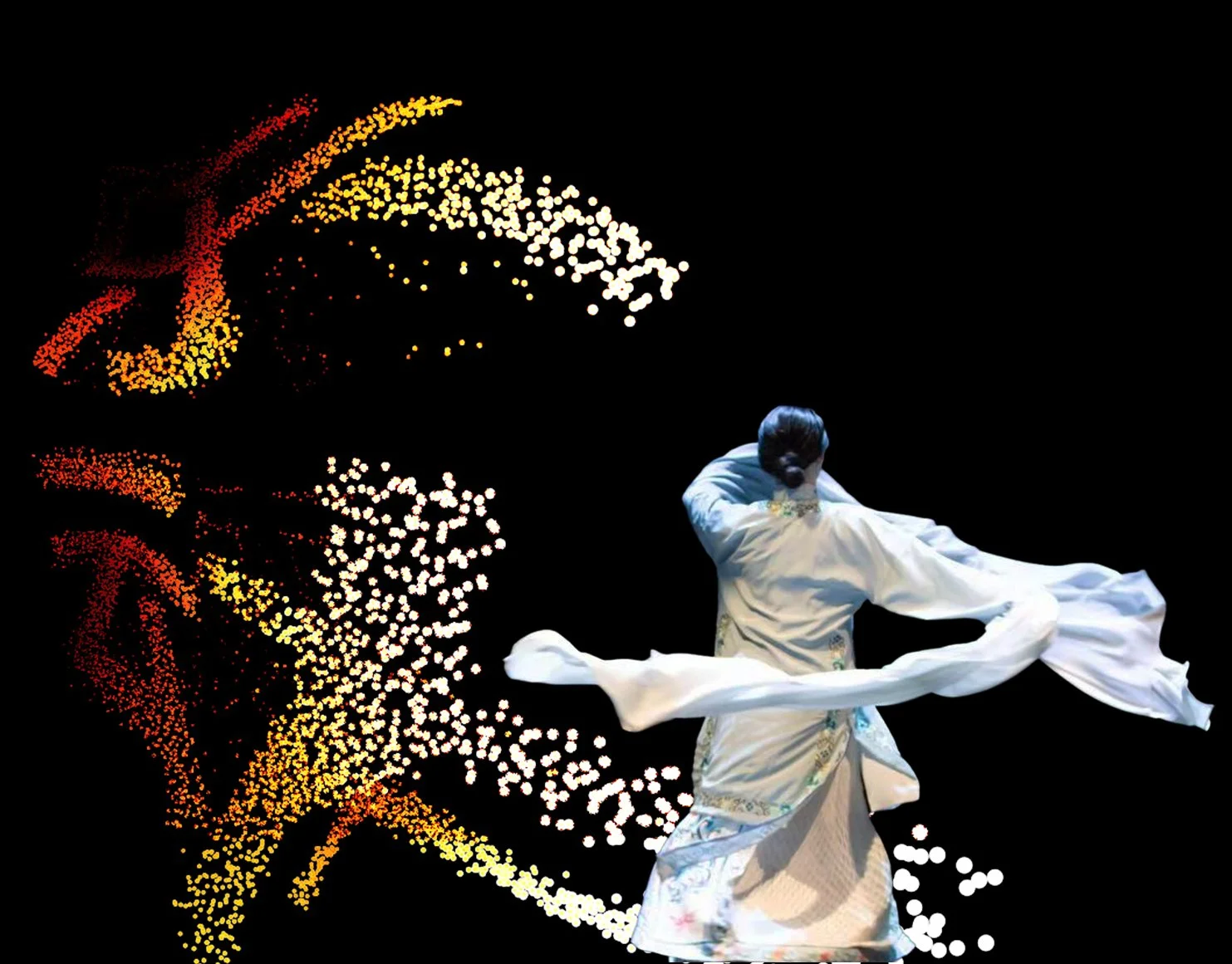
The chamber opera Mi 谜 (The Enigma) premiered in December 2023, featuring a libretto by Pan Geng and music by Ma Hanrui. Pan’s libretto is an homage to David Henry Hwang’s acclaimed play M. Butterfly. In Mi, Pan and Ma draw inspiration from Hwang’s story to explore issues of illusion and desire in their own unique voice. The arrangement weaves together three vocal roles—a tenor, a baritone, and a male dan from Peking Opera—supported by the Bard East/West Ensemble’s unique fusion of Chinese and Western instruments. Over two short acts, the piece relates the tragic story of a French officer entangled in his own "Madame Butterfly" fantasy. Elegant and unsettling, Mi explores themes of identity, deception, and the devastating power of cultural myth. READ THE LIBRETTO HERE
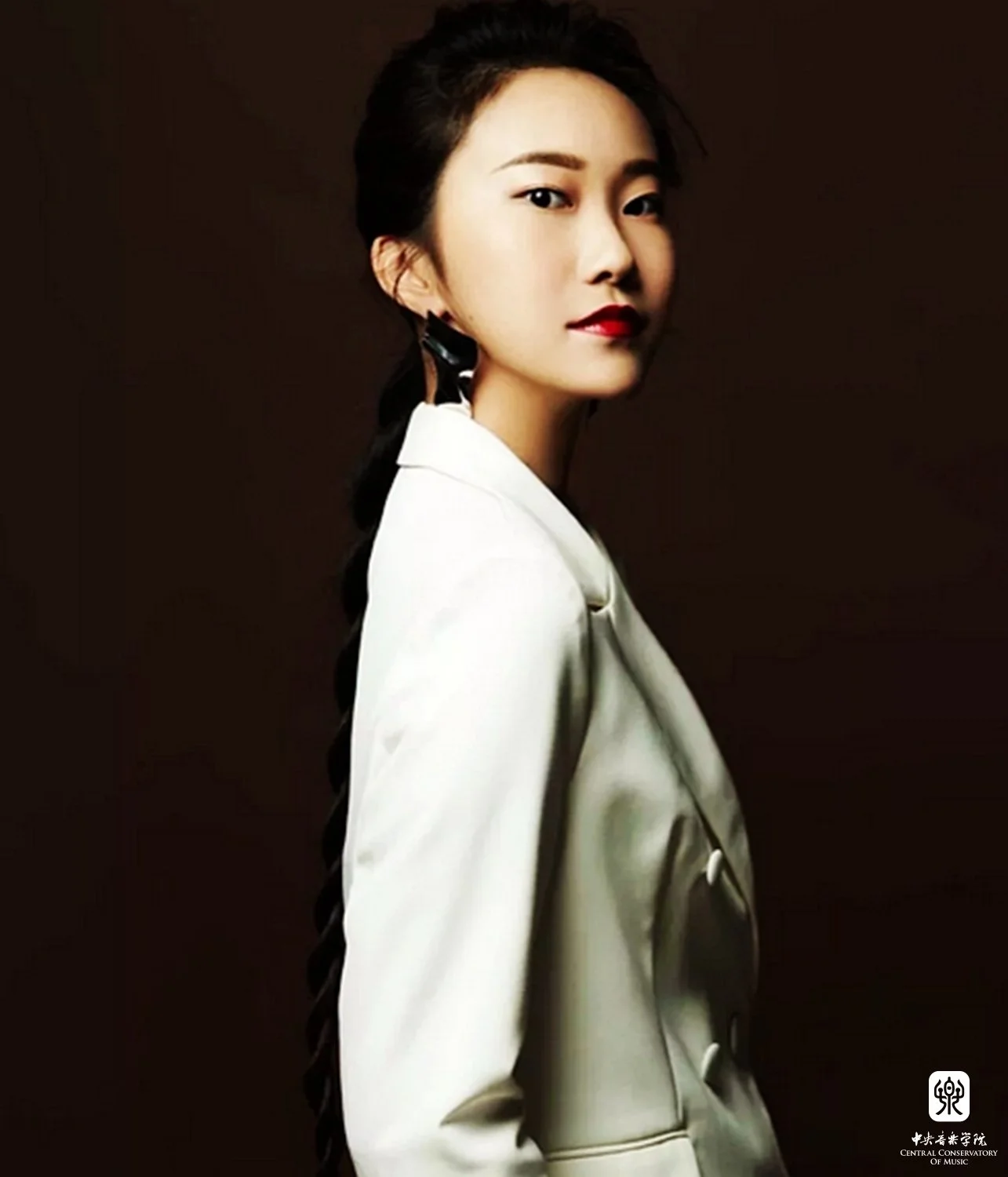
Ma Hanrui, born in Beijing in 1998, is a doctoral candidate in composition at the Central Conservatory of Music (CCOM). She began studying composition at age 12 at the CCOM Middle School and continued her undergraduate and master’s studies at the same institution. Her principal teachers include Professors Xu Zhitong, Gong Xiaoting, Zhang Shuai, and Hao Weiya.
Ma’s music blends Eastern cultural elements with Western compositional techniques, spanning symphonic, chamber, and dance music. Her works have been performed by leading ensembles such as the China National Traditional Orchestra, Hong Kong Chinese Orchestra, Wuxi Chinese Orchestra, CCOM Symphony Orchestra, and CCOM Choir.
In addition to her compositional work, Ma is also active as a choreographer and movement director, contributing to the staging of operas, musicals, and theatrical productions. Her interdisciplinary approach reflects a deep interest in the integration of sound and movement in contemporary performance.
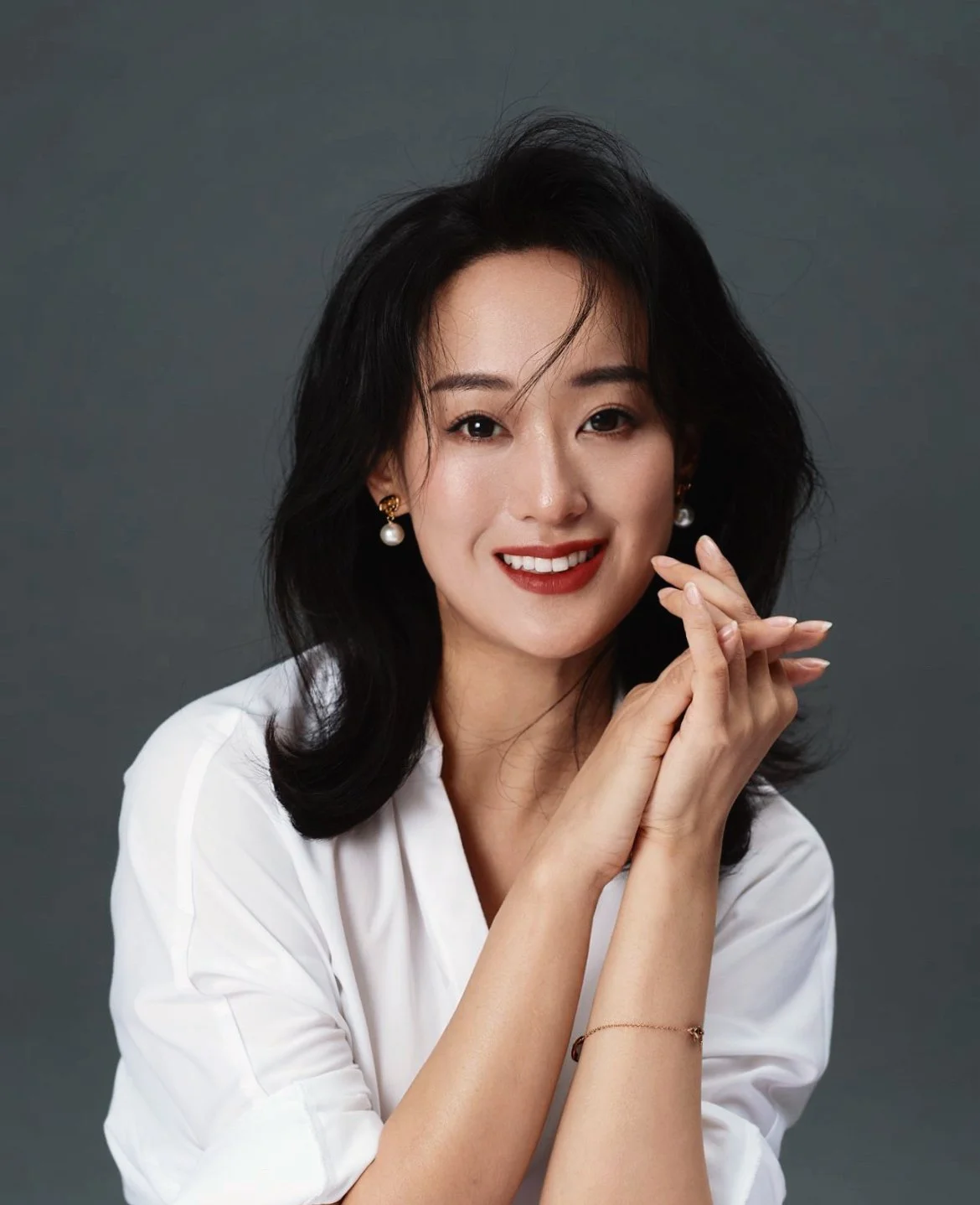
Pan Geng is an accomplished playwright and screenwriter with a Ph.D. in Literature. She serves as an Associate Professor at Beijing City University and was a visiting scholar in the School of the Arts at Columbia University. Her notable works span multiple genres, including television series, feature films, the stage plays and more. Pan has been honored with the United Nations Award for Outstanding Women's Innovation and Achievement and received a Magnolia Award nomination for Best Screenwriter at the Shanghai International Television Festival.
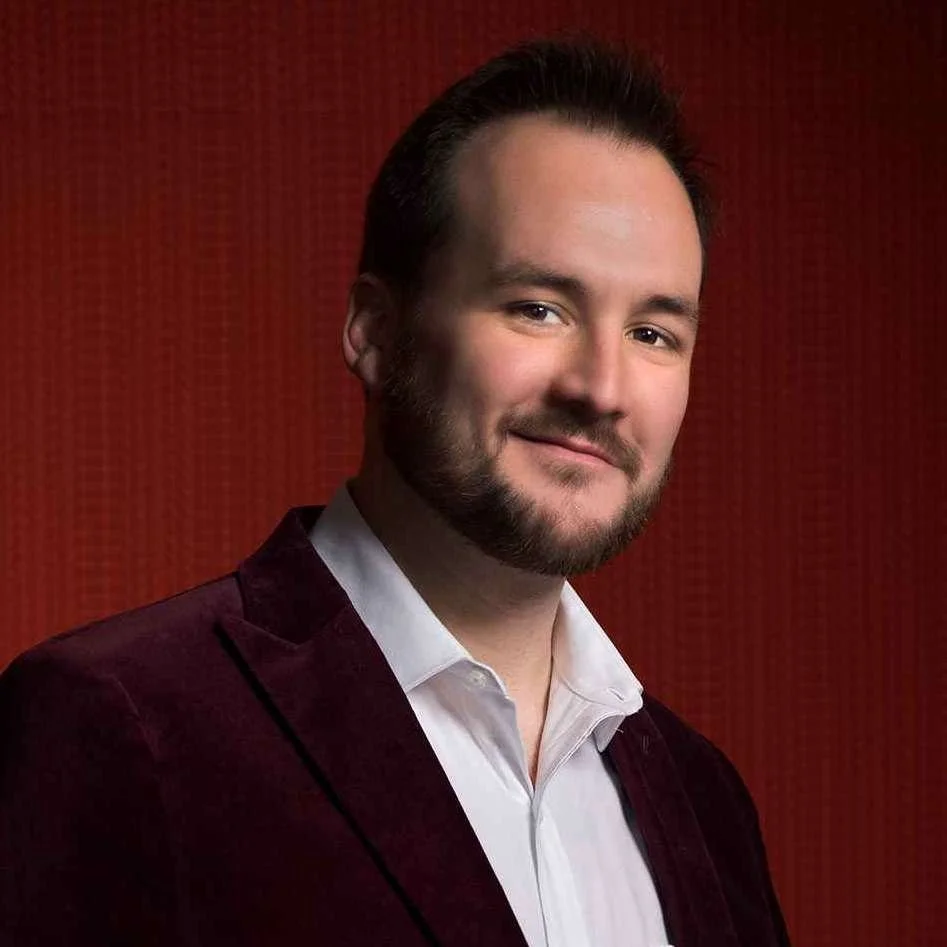
Eric Finbarr Carey, praised for his “silken tenor” (Opera News), has appeared as soloist with the Boston Symphony Orchestra under Andris Nelsons (Choral Fantasy), The Oratorio Society of New York at Carnegie Hall (Mozart Requiem, Bach Magnificat), The Gewandhaus Orchester (Pulcinella), Emmanuel Music (B Minor Mass), and Odyssey Opera in the world premiere of The Chronicle of Nine (“an oasis of lyricism” –Bachtrack). Operatic highlights include Tom Rakewell in The Rake’s Progress and Florestan in Fidelio.
He has performed Monteverdi’s Vespers, Händel’s Dixit Dominus, and the world premiere of Andrew Faulkenberry’s The Crooked Cross. A dedicated recitalist, he has toured with pianist Bethany Pietroniro and collaborated with early music artists including theorbist Richard Stone.
Carey trained at Bard College, Boston University Opera Institute, Peabody Conservatory, and Johns Hopkins University, and held fellowships at Tanglewood, Britten-Pears, and Carnegie Hall’s Renée Fleming Song Studio. He is a prizewinner in several national competitions.
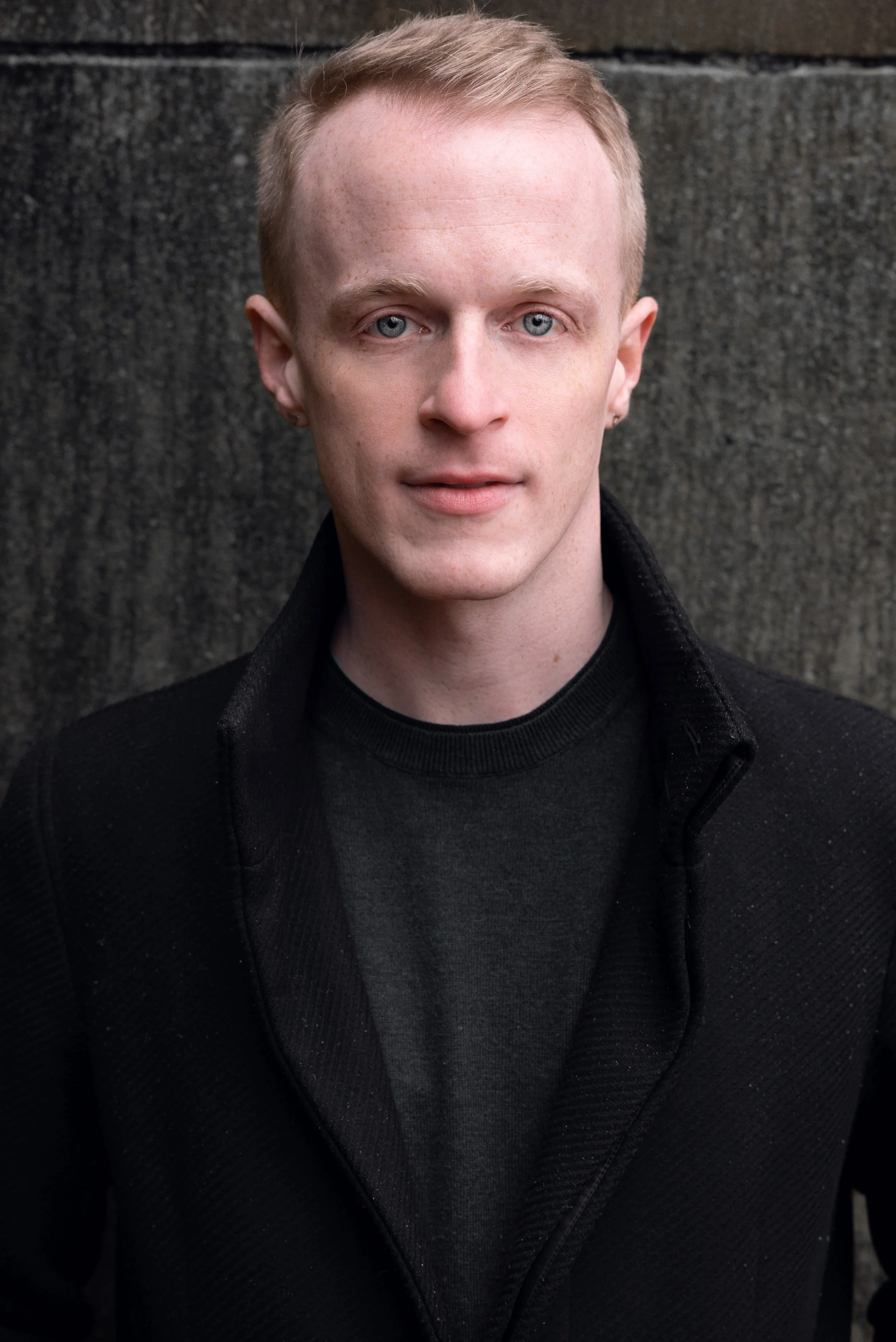
Nathaniel Sullivan is a musician, theatre artist, and writer known for his expressive artistry and musical precision. Described as an “alert and highly musical baritone” (Opera News) with “great eloquence” (ConcertoNet), he has appeared with Heartbeat Opera, Opera Parallèle, and at Tanglewood. Notable roles include Jokanaan in Salome, The King in Lessons in Love and Violence, and Jesus in the St. John Passion. Nathaniel earned his Bachelor of Music in Vocal Performance from the University of Nebraska–Lincoln and his Master of Music in Vocal Arts from the Bard College Conservatory of Music. A 2023 Astral Artists winner, he has also received awards from the Washington International Competition and NATS (National Association of Teachers of Singing).

Xiangwei Yu is a graduate of the China National Opera Academy and a student of the renowned Peking Opera master Zhang Chunxiao. He is widely recognized for his refined vocal technique and expressive artistry. As the principal performer of the Hebei Peking Opera Troupe and a National Class-One Performer, Yu holds membership in the Chinese Theatre Association and is the recipient of several top honors, including the prestigious Chen Chang Geng Gold Award and the National Peking Opera Excellence Award.
Yu has shared the stage with many of China's most celebrated artists, including Yang Ronghuan, Mei Baojiu, Ma Changli, and Zhang Xuejin. For many years prior to his arrival in New York, he was the longtime stage partner of Li Shengsu, one of China’s leading female Peking Opera stars.
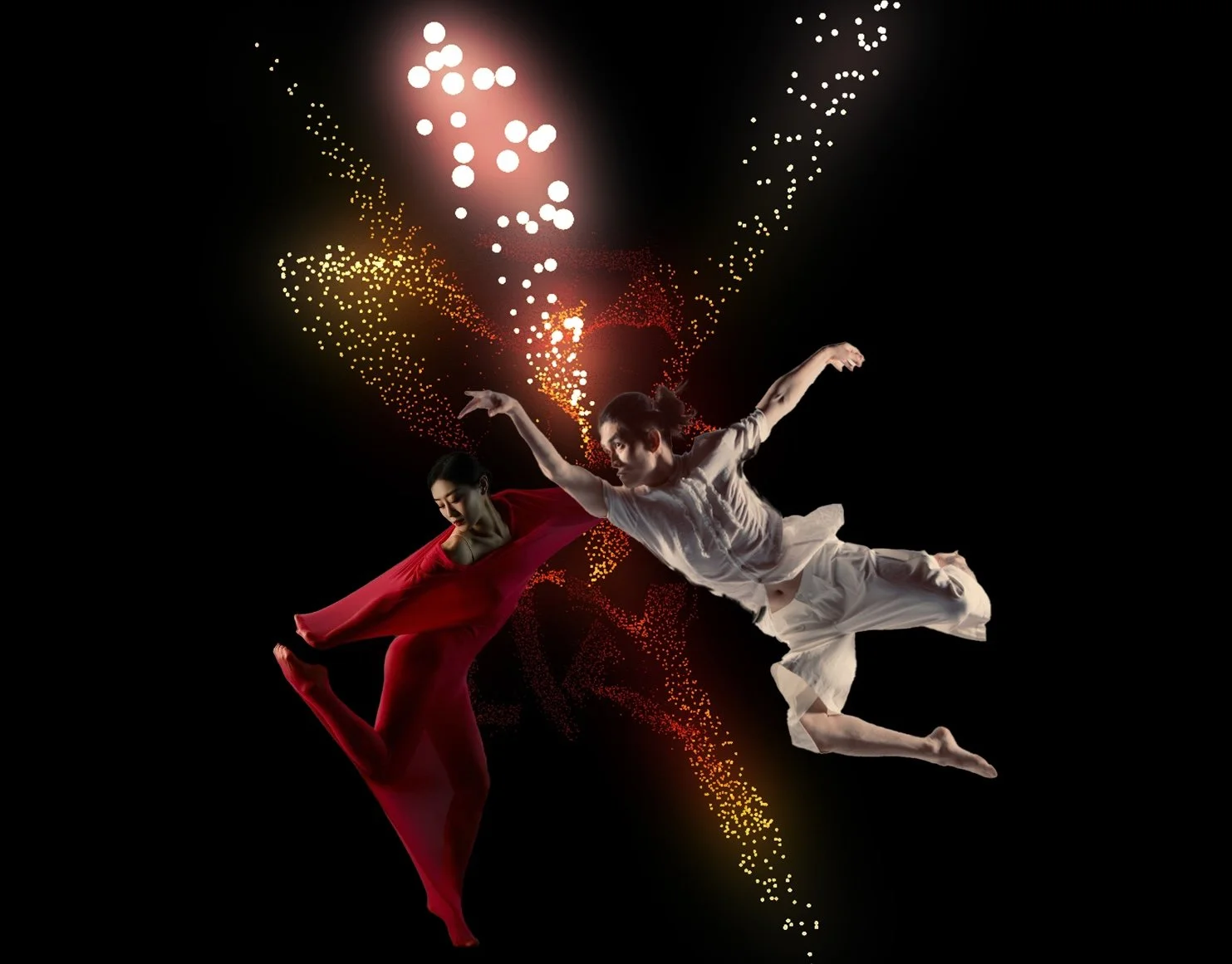
Wang Danhong’s Four Seasons in Lingering Garden is a vivid orchestral suite inspired by the classical Chinese garden in Suzhou. In a new arrangement exclusively for the Bard East/West Ensemble, the piece captures the shifting moods of each season through the interplay of traditional Chinese instruments alongside a Western string quintet. The music evokes the elegance and tranquility of the Lingering Garden, blending lyrical melodies with intricate textures. Choreographer Dai Jian imbues the piece with the graceful movement of two dancers joining the ensemble on stage.

Wang Danhong holds a doctorate in composition from the Central Conservatory of Music (CCOM), where she now serves as a professor of composition. She is recognized as one of the most dynamic young composers in contemporary China, having received prestigious awards including the Wenhua Award, the Gold Prize for Young Composers at the Chinese Music Forum, and Best Original Work at the CCTV National Chinese Instrumental Music Competition.
In 2021, Wang was selected for China’s National High-Level Talent Support Program as a “Top Young Talent.” Her works have been featured in major cultural projects such as Symphony of the Times and Centenary – 100 Works, and she has composed for significant national events including the 75th Anniversary of the PRC, and the 2024 China International Confucius Culture Festival.
Wang’s music is known for its emotional richness, lyrical melodies, and expansive style. She composes across genres, including Chinese traditional orchestral music, symphonic works, ballet, and film scores. Major compositions includeForever Shandan, Ode to the Sun, and Impressions of Shanxi for Chinese orchestra; The Lighthouse and The Yangtze South for symphony orchestra; the symphonic choral work A Vision of Jing-Jin-Ji; and the ballet Like Flowers.
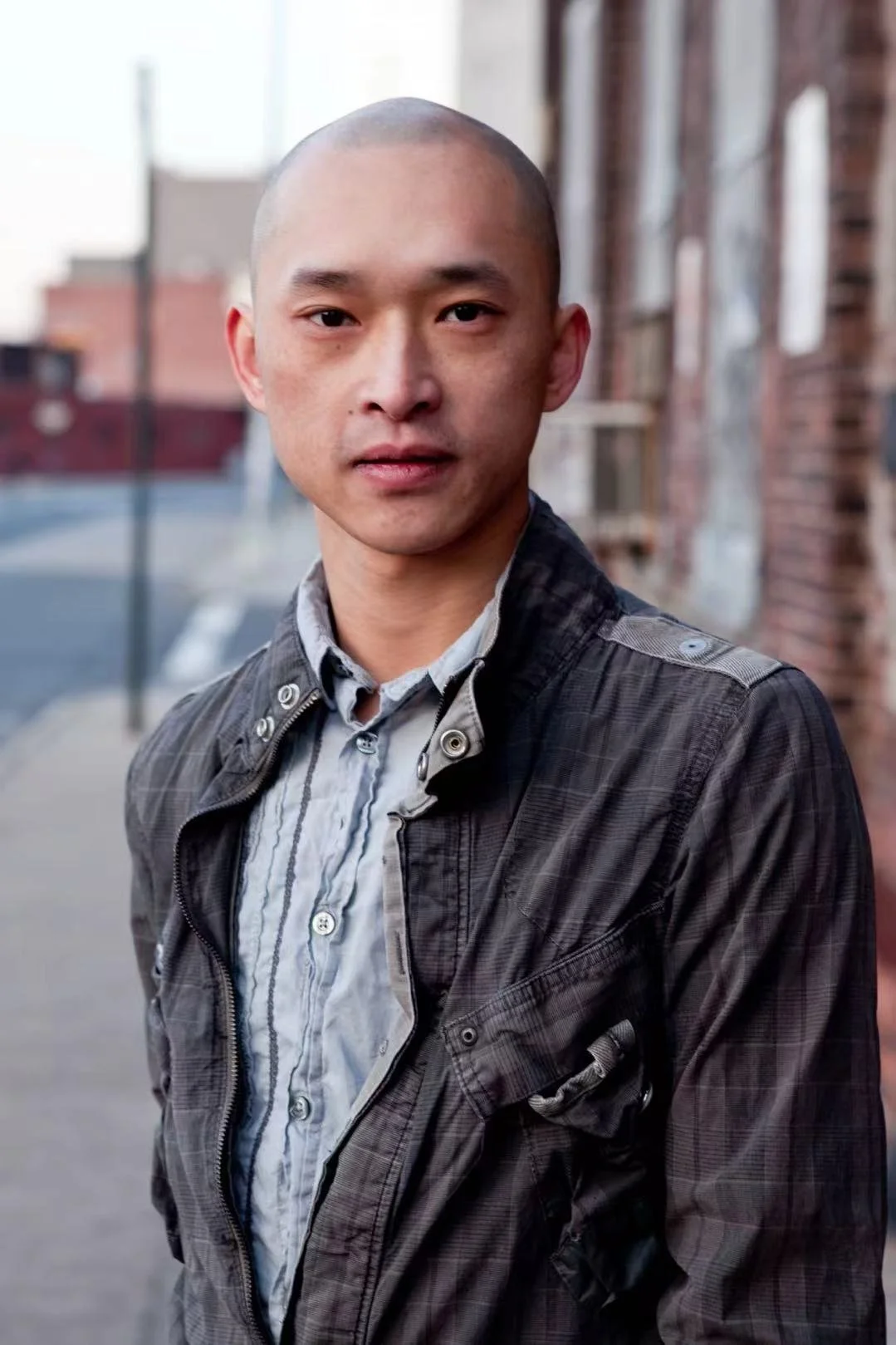
Dai Jian, born in China, is a choreographer, interdisciplinary artist, and educator known for integrating contemporary dance, classical dance, and martial arts. His work spans dance, theatre, installation, and performance art, combining experimental vision with live immediacy.
Trained in martial arts from age six and dance from thirteen, Dai won the 1998 China National Dance Competition Grand Prize. In 2005, he moved to New York, performing with Shen Wei Dance Arts and the Trisha Brown Dance Company, and assisting Shen Wei on the 2008 Beijing Olympic Games Opening Ceremony. Notable works include Blue Room (2014) and Silent Dialogue (2015, commissioned by The Metropolitan Museum of Art).
In 2016, Dai and his wife Anne Valette-Dai founded MaiOui Danse Arts in Lyon, France, later establishing D5 Art Space and the D5 Live Arts Festival. He is Artistic Director of MaiOui Danse Arts and Visiting Professor at Beijing Normal University and Beijing Dance Academy.

Wang Kan is a Beijing-based contemporary dancer known for her dynamic style and global perspective. She holds dual degrees in modern dance from the Beijing Dance Academy and Unitec Institute of Technology, New Zealand. A member of the Beijing Modern Dance Company since 2021, Wang has toured nationally with works like The Great Wall, Blooming of Time, and First Love. She played a featured role in Oath (Midnight Rain at the Beijing Jixiang Grand Theater. Her recent performances include Whispers of Clouds (Aranya Theater Festival), Fragrance (Beijing Drama Carnival), Offering (Wuzhen Theatre Festival), and site-specific pieces aboard Adora Magic City cruise ship and in the Dunhuang Desert. Wang also leads community workshops, using movement to connect with nature, youth, and public spaces.
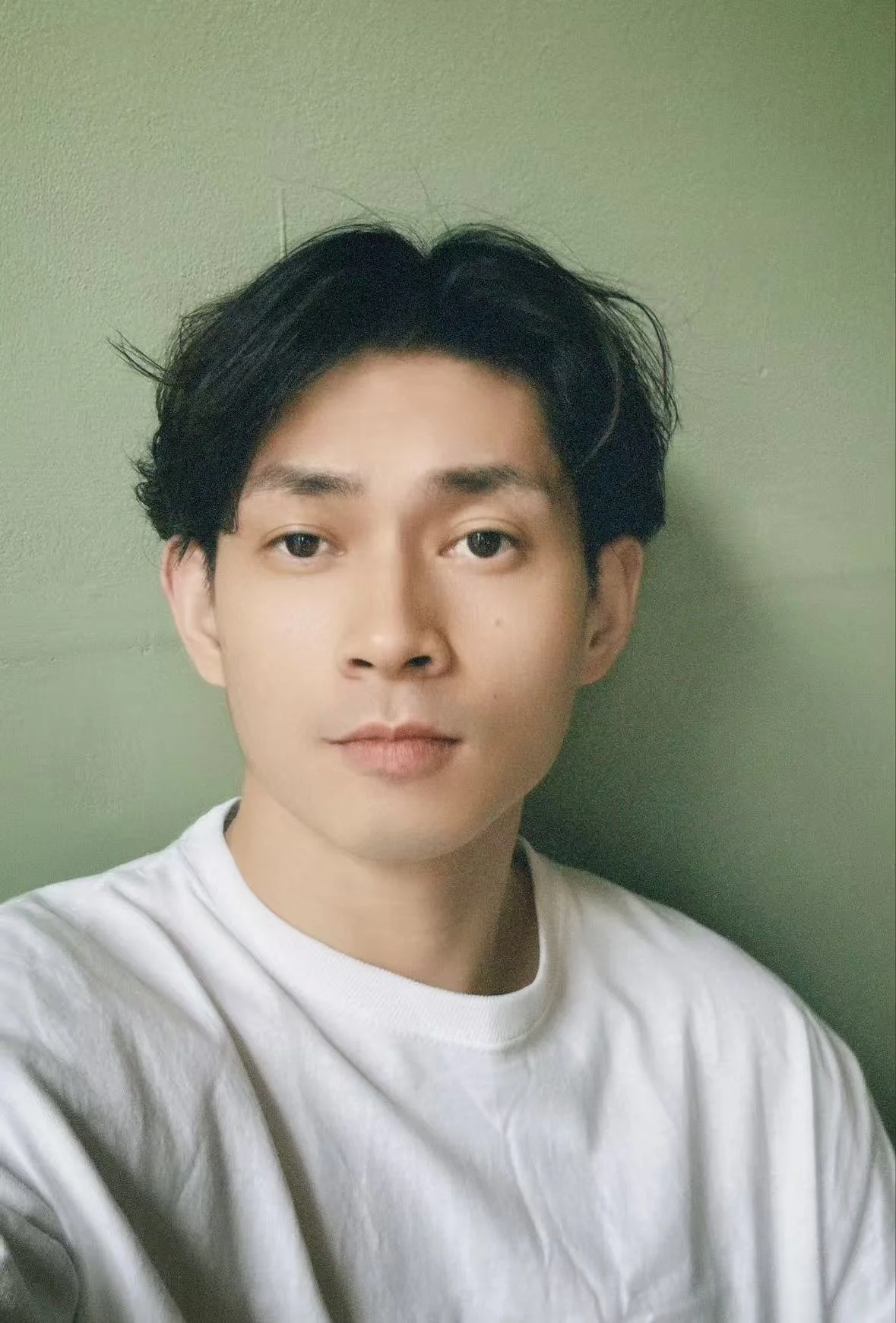
Peng Mi is a contemporary dancer and choreographer based in Guangzhou. Born in Hunan, China, he graduated from Hunan Normal University and danced with the Guangdong Modern Dance Company from 2015 to 2020. His performances include Point One, Light of Change, and Sumeru, which toured Asia, Europe, and Latin America. Additionally, he appeared in Black (Brisbane), Days of Heaven (Beijing), and Beyond Calligraphy (USA). Since 2021, Peng has worked independently, developing his choreographic voice through works like Destination (Münster and Amsterdam), Hommage (Berlin, Groningen, Shanghai), and The Domestication: Taboo Love (Guangzhou, Macau). His work blends physical intensity, artistic depth, and cross-cultural collaboration.

Jindong Cai is director of the US-China Music Institute, professor of music and arts at Bard College, and associate conductor of The Orchestra Now (TŌN). Previously, he was professor of performance at Stanford University. Over his career of more than 30 years in the U.S., he has become a leading conductor, scholar of Western classical music in China, and advocate for music from across Asia.
Born in Beijing, Cai studied violin and piano before earning graduate degrees from the New England Conservatory and Cincinnati College-Conservatory of Music. He began his conducting career with the Cincinnati Symphony and has led major orchestras across North America and Asia, including China’s top ensembles.
At Bard, he founded the China Now Music Festival, presenting new works at Carnegie Hall, Lincoln Center, Stanford, and Bard’s Fisher Center.
With his wife, Sheila Melvin, Cai has coauthored many articles on the performing arts in China, as well as two books, Rhapsody in Red and Beethoven in China: How the Great Composer Became an Icon in the People’s Republic.
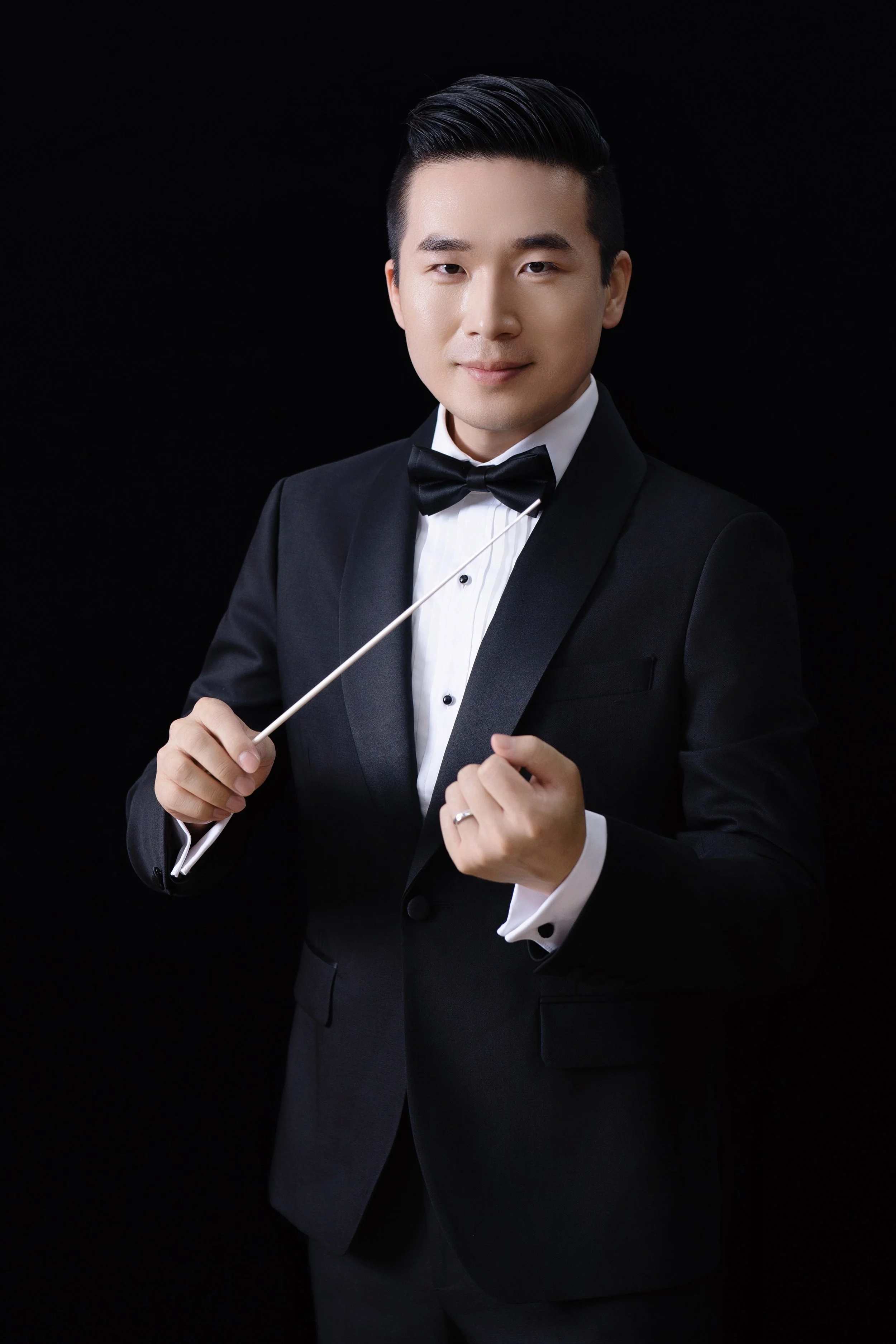
Shutong Li is the conductor and Music Director of the Bard Chinese Ensemble at the US-China Music Institute, as well as assistant conductor of the annual NY China Now Festival and the Bard East/West Ensemble. In 2017, Li founded an orchestra called “Musicians For Musicians” in New Mexico and organized and conducted 19 projects with 38 public concerts, which hosted over 50 young opera singers and instrumental soloists. He also served as chief conductor of the Symphony of Albuquerque and the UNM Health Sciences Centers Orchestra. Li has worked with groups such as the Chinese Music Ensemble of New York, Hong Kong Chinese Orchestra, the Sofia Philharmonic Orchestra, The Orchestra Now, the Dolce Suono Chorus, New York Concert Chorale, the State Opera Stara Zagora, Teatro Mancinelli Orvieto, the Dédalo Ensemble, and the AltreVoci Ensemble.

Shiqi Zhong is an acclaimed percussionist and DMA candidate at New York University, recognized for his versatility across world, classical, contemporary, and popular music. A graduate of the China Conservatory of Music Affiliated Middle School, Juilliard Pre-College, Curtis Institute of Music, Yale School of Music, and NYU, he brings a deep academic foundation to his artistry. Zhong has performed with the New Jersey Symphony Orchestra, American Symphony Orchestra, and Composer Symphony Orchestra, collaborating with conductors such as Yannick Nézet-Séguin, Leon Botstein, Xian Zhang, Vladimir Jurowski, and Osmo Vänskä. Dedicated to education, he serves as deputy editor of PAS China and a board member of the Asian Youth Musician Alliance, mentoring students who have gained admission to Curtis, Juilliard Pre-College, Manhattan School of Music, and San Francisco Conservatory. His teaching materials and innovative works for percussion reflect his mission to connect cultures and inspire the next generation of musicians.
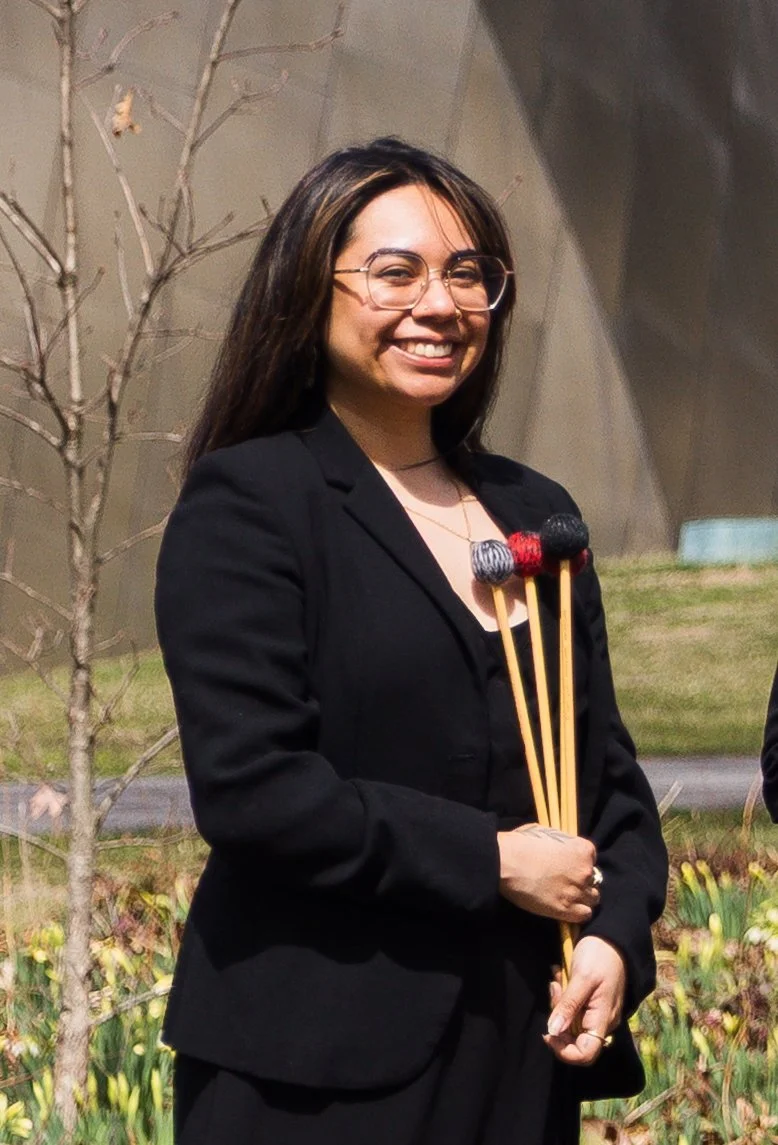
Jaelyn Quilizapa, percussionist and poet from Isleton, California, completed Bard Conservatory’s double-degree program in Percussion Performance and Poetry. Dedicated to contemporary and chamber music, she has performed Julius Eastman’s Stay on It with Sō Percussion at PASIC and appeared with the BARQuartet at the Hudson Jazz Festival. With the Bard East-West Ensemble, she has performed at Jazz at Lincoln Center, Carnegie’s Zankel Hall, and toured China in 2025. Her poetry collection A Woven Becoming (2024) explores identity through text.

The 2025 China Now Music Festival is presented in collaboration with the Central Conservatory of Music, China.


- Posted in China Now 2025, Bard East/West Ensemble