
september 27–october 5 2025
jazz at lincoln center, NYC
fisher center, bard college

SEASON EIGHT
“Music is sound in motion. For thousands of years, we have created music to share our imagination of our place in the universe, express our feelings toward nature, and communicate our emotions with one another. Music pulses through our bodies and settles deep within. For this year’s festival theme, we explore contemporary music from China through the metaphor of movement.”
— Jindong Cai, artistic director

Rose Theater, Jazz at Lincoln Center’s Frederick P. Rose Hall, NYC
3 PM
Pre-concert talk starting at 2:15pm in Rose Theater
The 2025 China Now Music Festival concludes with a dynamic 3-part program of multi-sensory and multi-disciplinary performances, featuring contemporary dance, a new chamber opera, and a mix of Chinese and Western instruments. The Bard East/West Ensemble performs with Jindong Cai and Shutong Li conducting. LEARN MORE
Tickets start at $15. PURCHASE HERE | 点此购票
Ertugun Atrium, Jazz at Lincoln Center’s Frederick P. Rose Hall
5:00 PM
Join the US-China Music Institute and co-presenter China Daily for a discussion and reception focusing on the theme Music in Motion and the topic of cross-cultural musical exchange. Tickets: $10, must be purchased in advance. LEARN MORE

Rose Theater, Jazz at Lincoln Center’s Frederick P. Rose Hall, NYC
3 PM
The eighth annual China Now Music Festival presents The Orchestra Now performing three generations of living composers to demonstrate the momentum of music development in China during the past few decades. Featuring Ye Xiaogang’s epic masterpiece Song of the Earth for orchestra, soprano and baritone, the concert is conducted by festival artistic director Jindong Cai. LEARN MORE
Tickets start at $15. PURCHASE HERE | 点此购票

Sosnoff Theater, Fisher Center at Bard College
3 PM
The eighth annual China Now Music Festival returns to the Sosnoff Theater to present The Orchestra Now performing contemporary Chinese symphonic works that move music through both time and space. Featuring Ye Xiaogang’s epic masterpiece Song of the Earth for orchestra, soprano and baritone, the concert is conducted by festival artistic director Jindong Cai. LEARN MORE
Tickets start at $15. Free for Bard students! PURCHASE TICKETS HERE
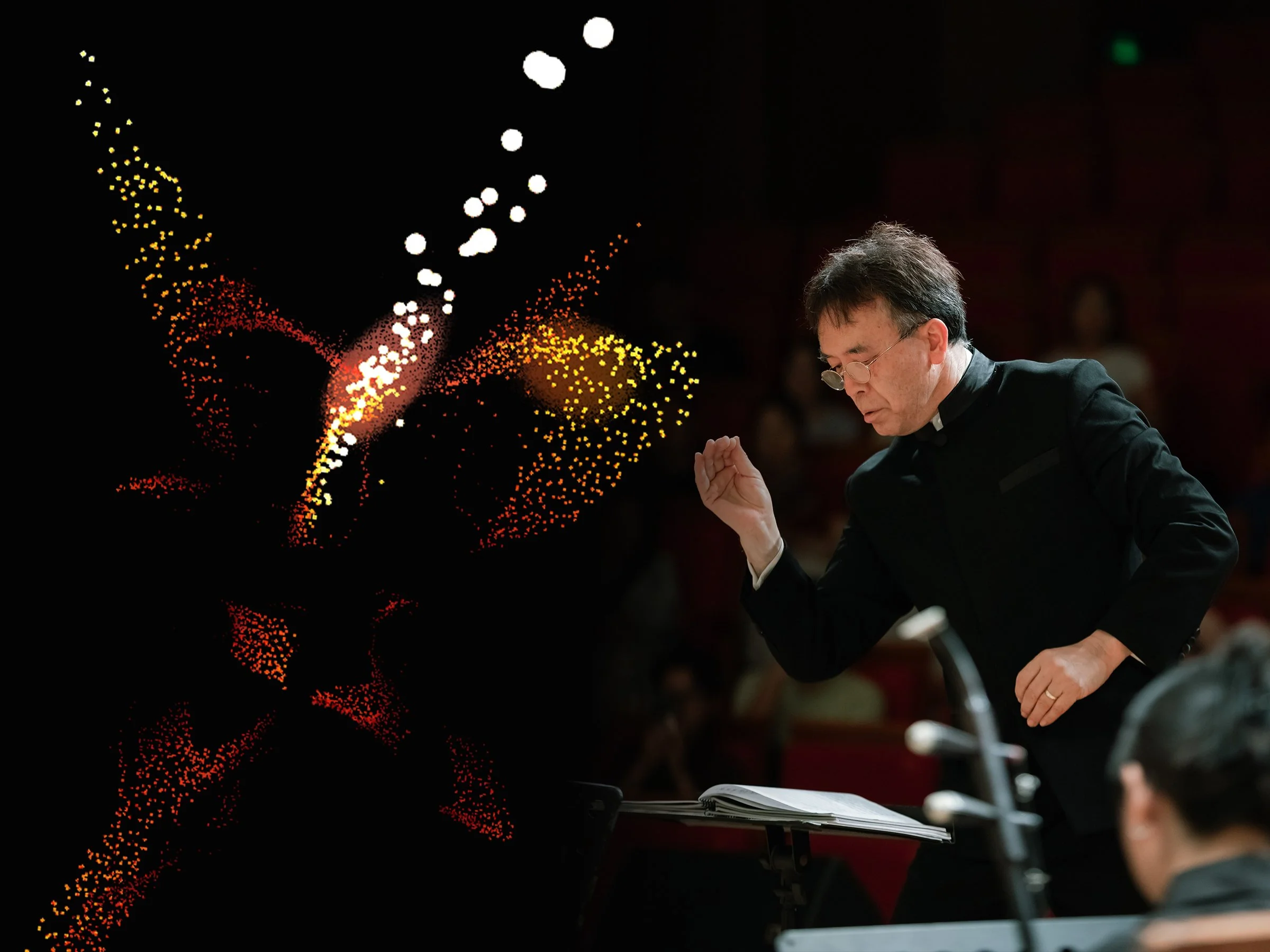
Jindong Cai, artistic director of the China Now Music Festival
The eighth season of the China Now Music Festival explored music as part of the ebb and flow of time, the primal movement of the earth and stars, the human body, and the human mind. Music as motivation, as momentum, as a constantly changing reflection of human nature. Our theme is expressed in the two characters 乐 (yuè - music) and 动 (dòng - movement or motion) — Music in Motion.
As always this year’s festival program focused on stories, as the programs over two major concerts evoked visions of the earth, society, and time itself. The music of contemporary China fused with multisensory and multidisciplinary symphonic and chamber concerts incorporating dance, voice, and a unique fusion of Western and Chinese musical styles.

Jindong Cai is director of the US-China Music Institute, professor of music and arts at Bard College, and associate conductor of The Orchestra Now (TŌN). Previously, he was professor of performance at Stanford University. Over his career of more than 30 years in the U.S., he has become a leading conductor, scholar of Western classical music in China, and advocate for music from across Asia.
Born in Beijing, Cai studied violin and piano before earning graduate degrees from the New England Conservatory and Cincinnati College-Conservatory of Music. He began his conducting career with the Cincinnati Symphony and has led major orchestras across North America and Asia, including China’s top ensembles.
At Bard, he founded the China Now Music Festival, presenting new works at Carnegie Hall, Lincoln Center, Stanford, and Bard’s Fisher Center.
With his wife, Sheila Melvin, Cai has coauthored many articles on the performing arts in China, as well as two books, Rhapsody in Red and Beethoven in China: How the Great Composer Became an Icon in the People’s Republic.
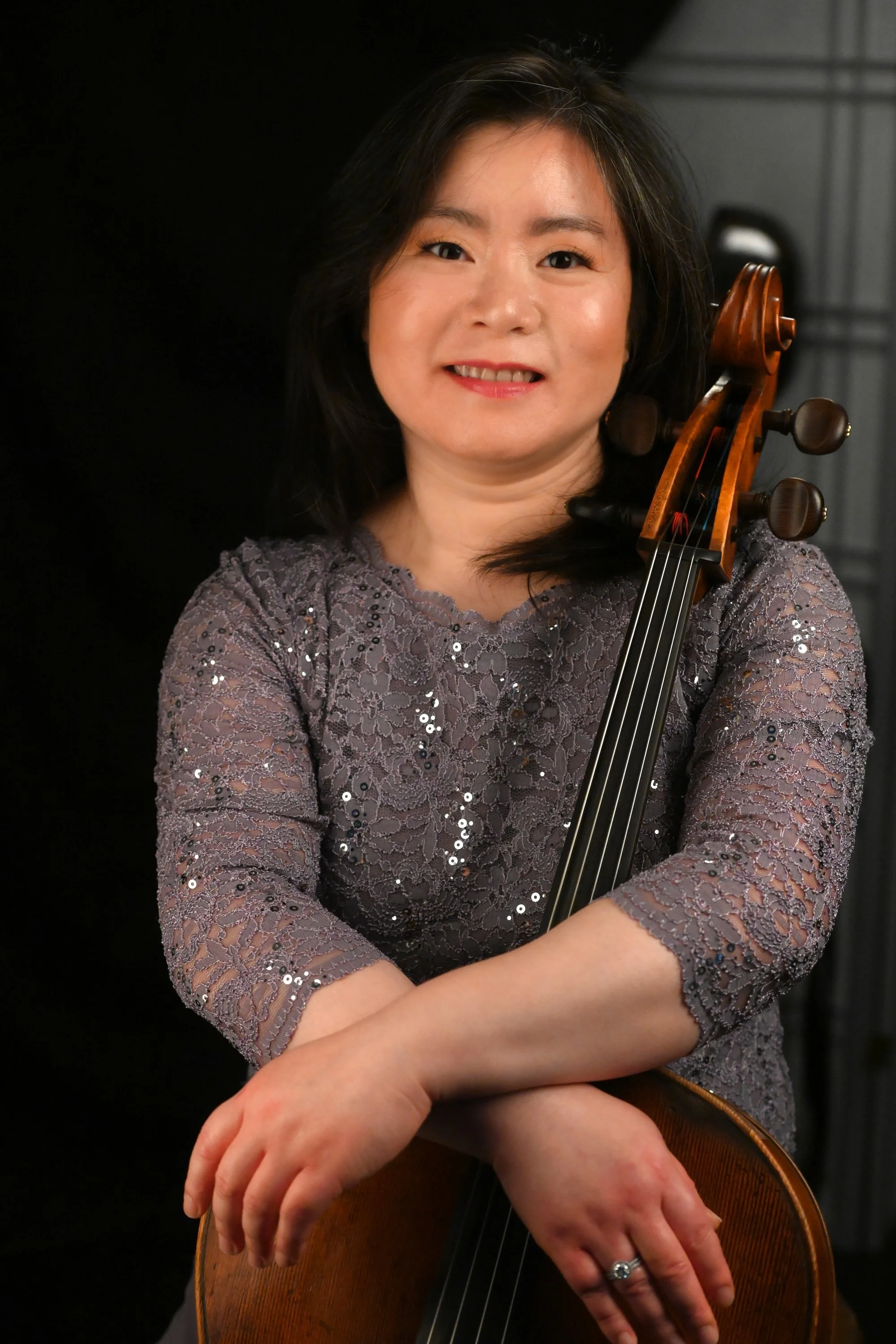
Hai-Ye Ni is principal cellist of the Philadelphia Orchestra and an acclaimed soloist and chamber musician. Praised by The Washington Post for her “soulfully expressive” playing, she has performed with leading orchestras including those of Philadelphia, New York, Chicago, San Francisco, Hong Kong, and Finland.
Winner of the Naumburg International Cello Competition, Ni has also received an Avery Fisher Career Grant and top prizes at the International Paulo and Rostropovich Competitions. Formerly associate principal of the New York Philharmonic, she joined the Philadelphia Orchestra in 2006.
She has appeared at festivals such as Marlboro, La Jolla, Aspen, Kuhmo, and Spoleto, and collaborated with Lang Lang, Yefim Bronfman, and Cho-Liang Lin. Her recordings include Spirit of Chimes (Delos) and a Naxos solo debut named CD of the Week by Classic FM.
Born in Shanghai, she studied at Juilliard and with William Pleeth in London.

Born in Chongqing, China, Manli Deng earned her Bachelor’s degree from the Central Conservatory of Music under Professor Zhang Liping. At 22, she was invited to the U.S. by Maestro Louis Salemno and later joined Maryland Lyric Opera. She holds a Master of Music from the Peabody Institute of Johns Hopkins University and is currently pursuing an Artist Diploma at Rutgers University. Since 2023, she has been a resident artist at the Academy of Vocal Arts.
Deng made her Lincoln Center debut in the 2022 China Now Music Festival in Ye Xiaogang’s The Great Wall. She has performed leading roles in La Bohème, Così fan tutte, Le nozze di Figaro, Anna Bolena, and Faust. A frequent competition prizewinner, she was a finalist in the 17th Tchaikovsky International Competition and a winner of the 2020 Met Opera National Council Auditions (Midwest Region).
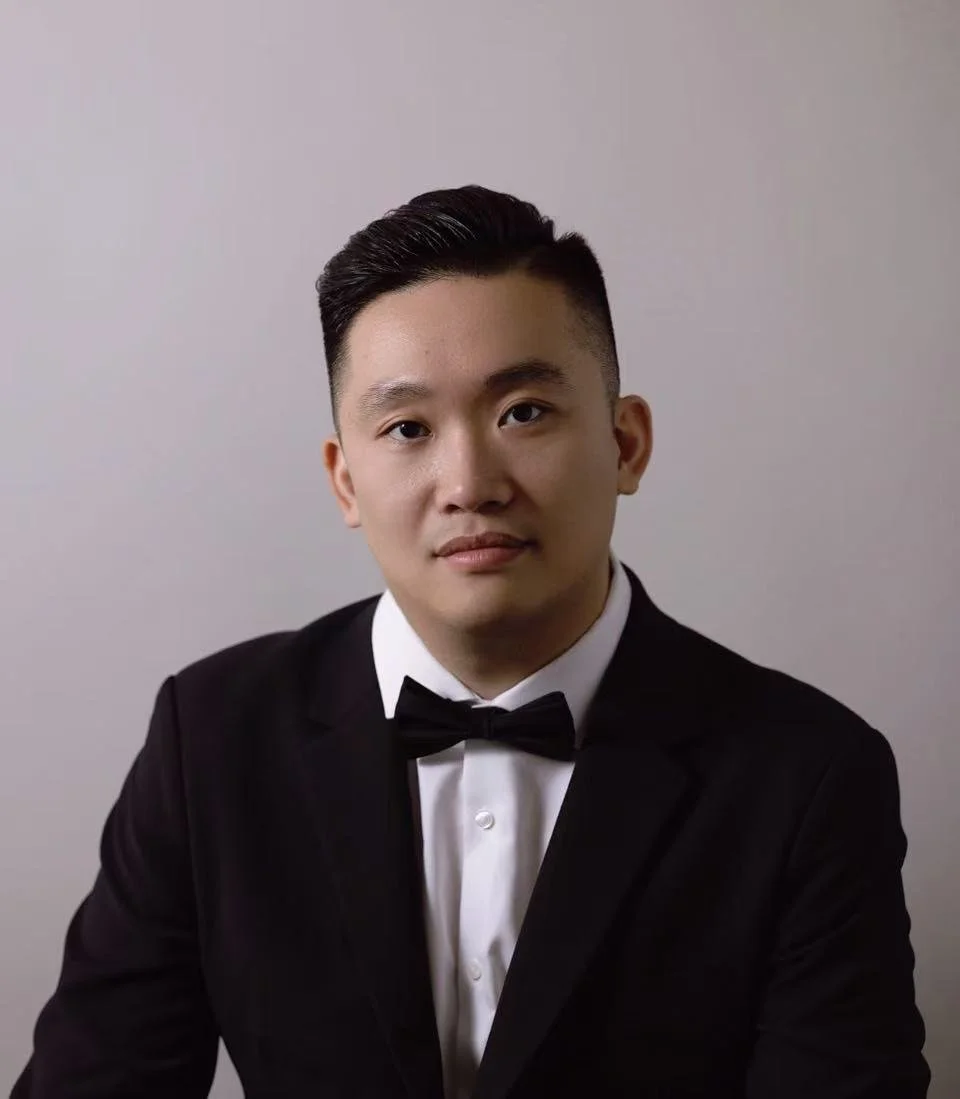
Yue Wu holds a Master’s degree from the Mannes School of Music and a Bachelor’s from the Tianjin Conservatory of Music. From 2022 to 2025, he was a resident artist at the Academy of Vocal Arts.
In 2021, he was selected for Renée Fleming’s SongStudio project, performing at Carnegie Hall. He went on to train at the Music Academy of the West and was invited as a Fleming Artist at the Aspen Music Festival in 2023 and 2024, where he starred as Hosokawa in Bel Canto.
His repertoire includes The Marriage of Figaro, Don Giovanni, Idomeneo, La Traviata, Anna Bolena, Gianni Schicchi, La Fanciulla del West, and Eugene Onegin. He has performed with Opera Philadelphia, Opera Santa Barbara, and the Kimmel Center.
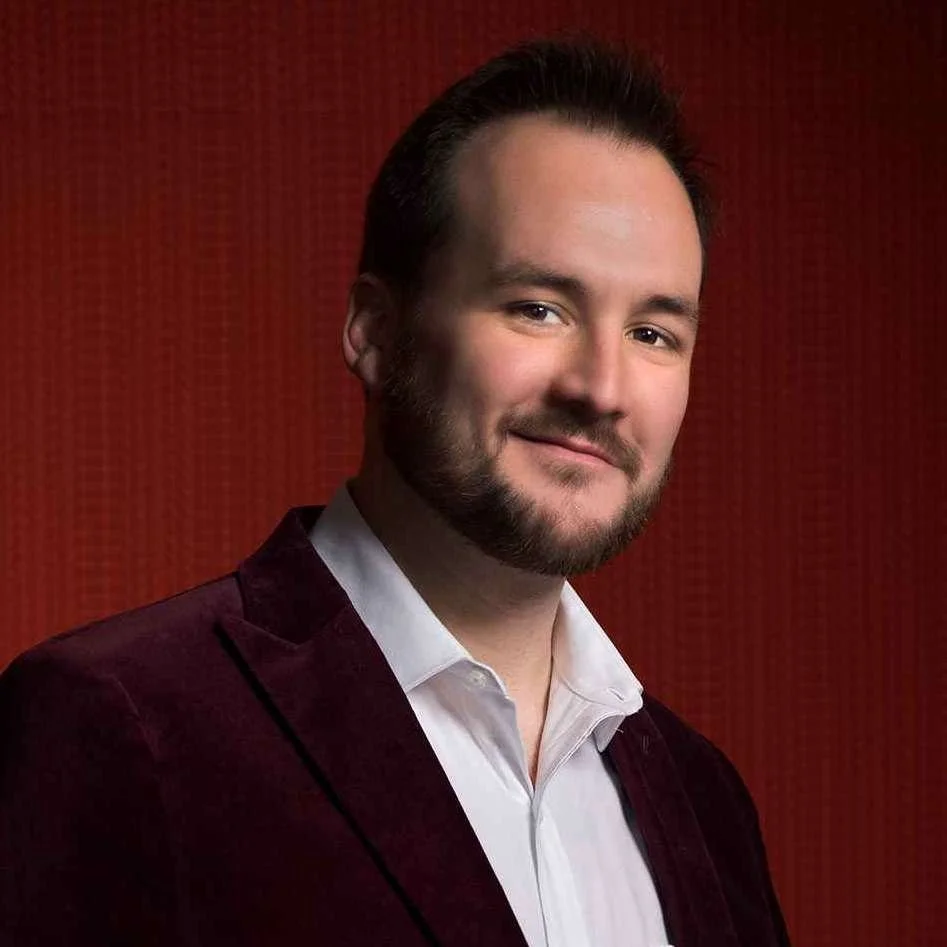
Eric Finbarr Carey, praised for his “silken tenor” (Opera News), has appeared as soloist with the Boston Symphony Orchestra under Andris Nelsons (Choral Fantasy), The Oratorio Society of New York at Carnegie Hall (Mozart Requiem, Bach Magnificat), The Gewandhaus Orchester (Pulcinella), Emmanuel Music (B Minor Mass), and Odyssey Opera in the world premiere of The Chronicle of Nine (“an oasis of lyricism” –Bachtrack). Operatic highlights include Tom Rakewell in The Rake’s Progress and Florestan in Fidelio.
He has performed Monteverdi’s Vespers, Händel’s Dixit Dominus, and the world premiere of Andrew Faulkenberry’s The Crooked Cross. A dedicated recitalist, he has toured with pianist Bethany Pietroniro and collaborated with early music artists including theorbist Richard Stone.
Carey trained at Bard College, Boston University Opera Institute, Peabody Conservatory, and Johns Hopkins University, and held fellowships at Tanglewood, Britten-Pears, and Carnegie Hall’s Renée Fleming Song Studio. He is a prizewinner in several national competitions.
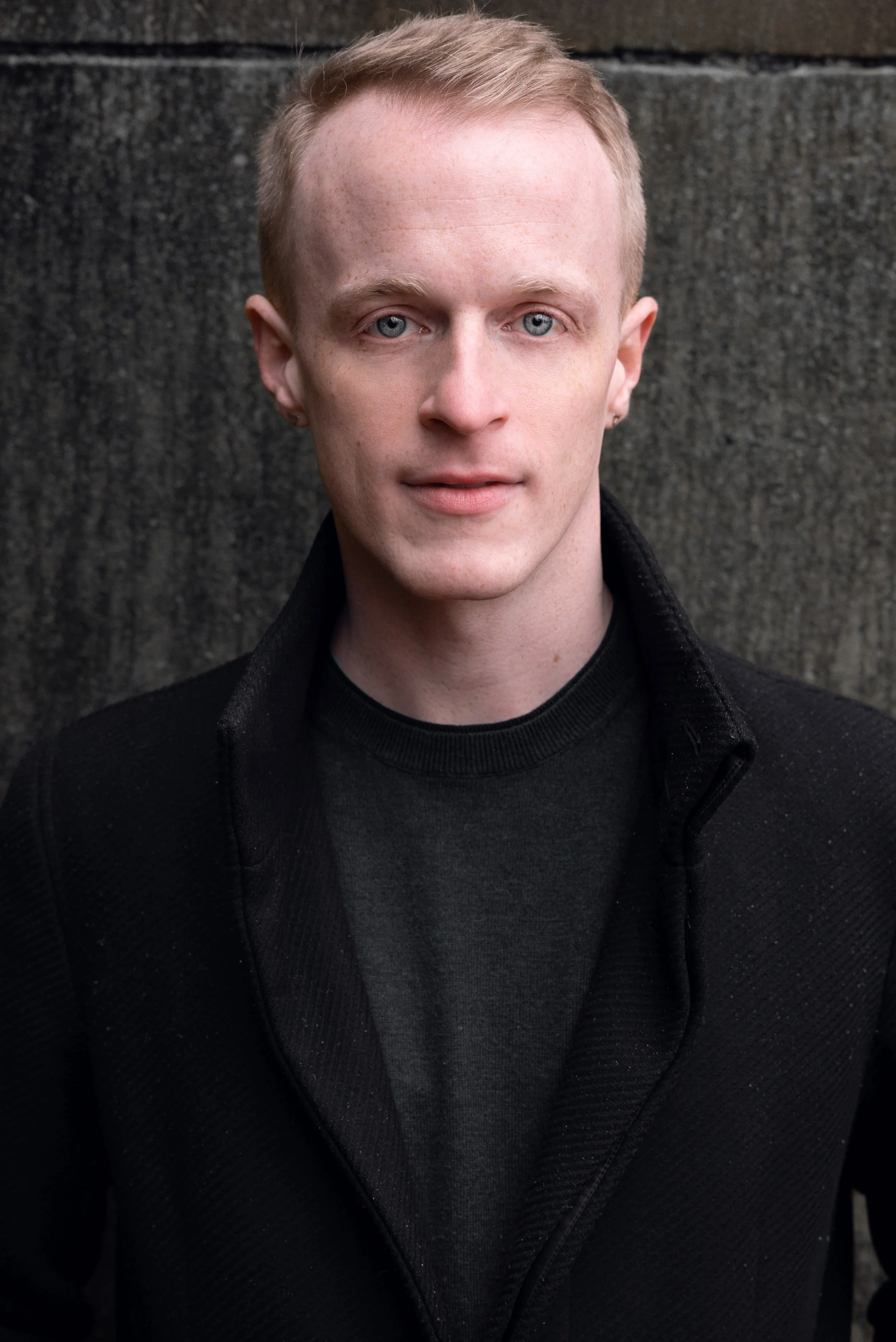
Nathaniel Sullivan is a musician, theatre artist, and writer known for his expressive artistry and musical precision. Described as an “alert and highly musical baritone” (Opera News) with “great eloquence” (ConcertoNet), he has appeared with Heartbeat Opera, Opera Parallèle, and at Tanglewood. Notable roles include Jokanaan in Salome, The King in Lessons in Love and Violence, and Jesus in the St. John Passion. Nathaniel earned his Bachelor of Music in Vocal Performance from the University of Nebraska–Lincoln and his Master of Music in Vocal Arts from the Bard College Conservatory of Music. A 2023 Astral Artists winner, he has also received awards from the Washington International Competition and NATS (National Association of Teachers of Singing).

Xiangwei Yu is a graduate of the China National Opera Academy and a student of the renowned Peking Opera master Zhang Chunxiao. He is widely recognized for his refined vocal technique and expressive artistry. As the principal performer of the Hebei Peking Opera Troupe and a National Class-One Performer, Yu holds membership in the Chinese Theatre Association and is the recipient of several top honors, including the prestigious Chen Chang Geng Gold Award and the National Peking Opera Excellence Award.
Yu has shared the stage with many of China's most celebrated artists, including Yang Ronghuan, Mei Baojiu, Ma Changli, and Zhang Xuejin. For many years prior to his arrival in New York, he was the longtime stage partner of Li Shengsu, one of China’s leading female Peking Opera stars.
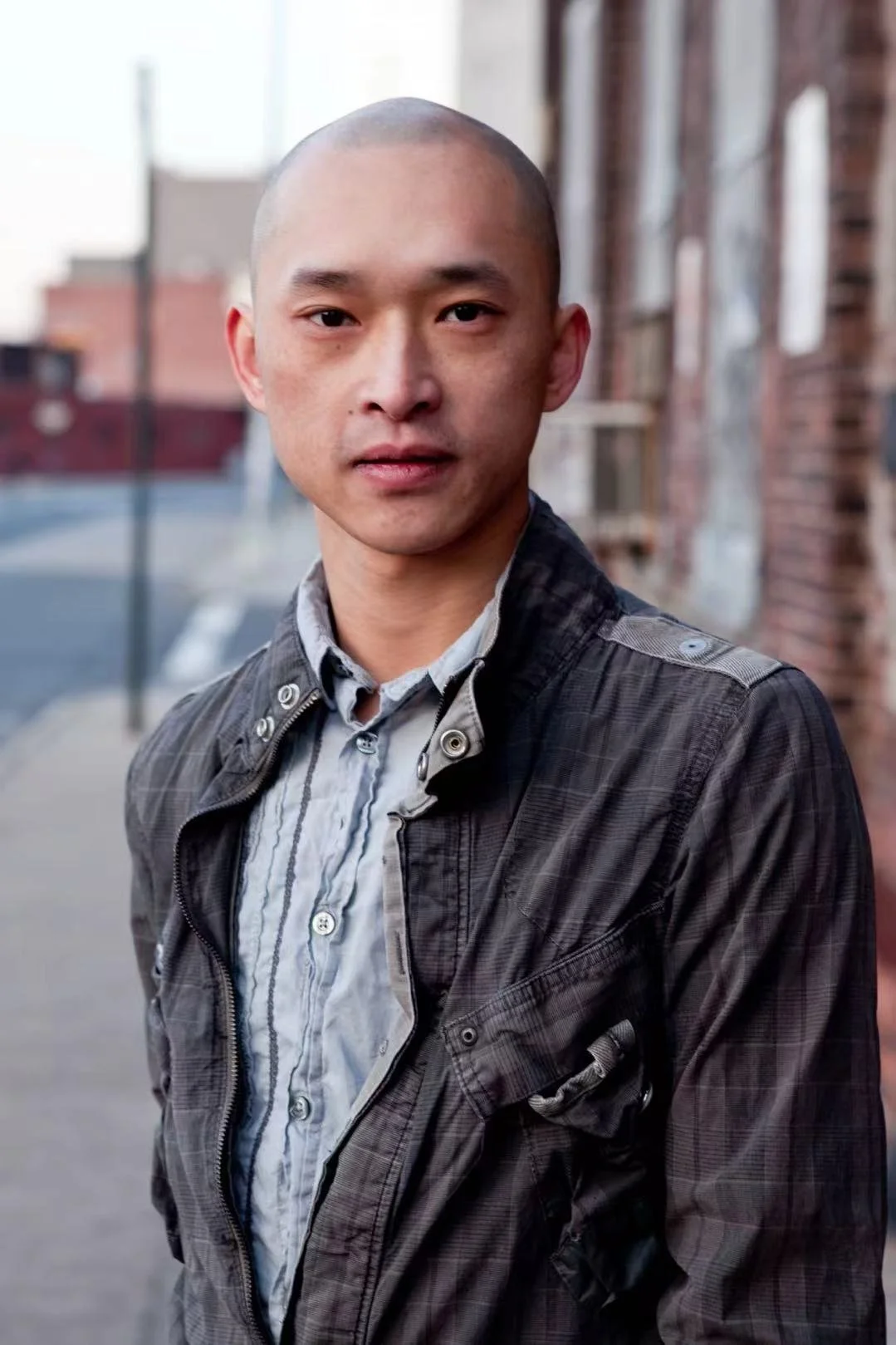
Dai Jian, born in China, is a choreographer, interdisciplinary artist, and educator known for integrating contemporary dance, classical dance, and martial arts. His work spans dance, theatre, installation, and performance art, combining experimental vision with live immediacy.
Trained in martial arts from age six and dance from thirteen, Dai won the 1998 China National Dance Competition Grand Prize. In 2005, he moved to New York, performing with Shen Wei Dance Arts and the Trisha Brown Dance Company, and assisting Shen Wei on the 2008 Beijing Olympic Games Opening Ceremony. Notable works include Blue Room (2014) and Silent Dialogue (2015, commissioned by The Metropolitan Museum of Art).
In 2016, Dai and his wife Anne Valette-Dai founded MaiOui Danse Arts in Lyon, France, later establishing D5 Art Space and the D5 Live Arts Festival. He is Artistic Director of MaiOui Danse Arts and Visiting Professor at Beijing Normal University and Beijing Dance Academy.

Wang Kan is a Beijing-based contemporary dancer known for her dynamic style and global perspective. She holds dual degrees in modern dance from the Beijing Dance Academy and Unitec Institute of Technology, New Zealand. A member of the Beijing Modern Dance Company since 2021, Wang has toured nationally with works like The Great Wall, Blooming of Time, and First Love. She played a featured role in Oath (Midnight Rain at the Beijing Jixiang Grand Theater. Her recent performances include Whispers of Clouds (Aranya Theater Festival), Fragrance (Beijing Drama Carnival), Offering (Wuzhen Theatre Festival), and site-specific pieces aboard Adora Magic City cruise ship and in the Dunhuang Desert. Wang also leads community workshops, using movement to connect with nature, youth, and public spaces.
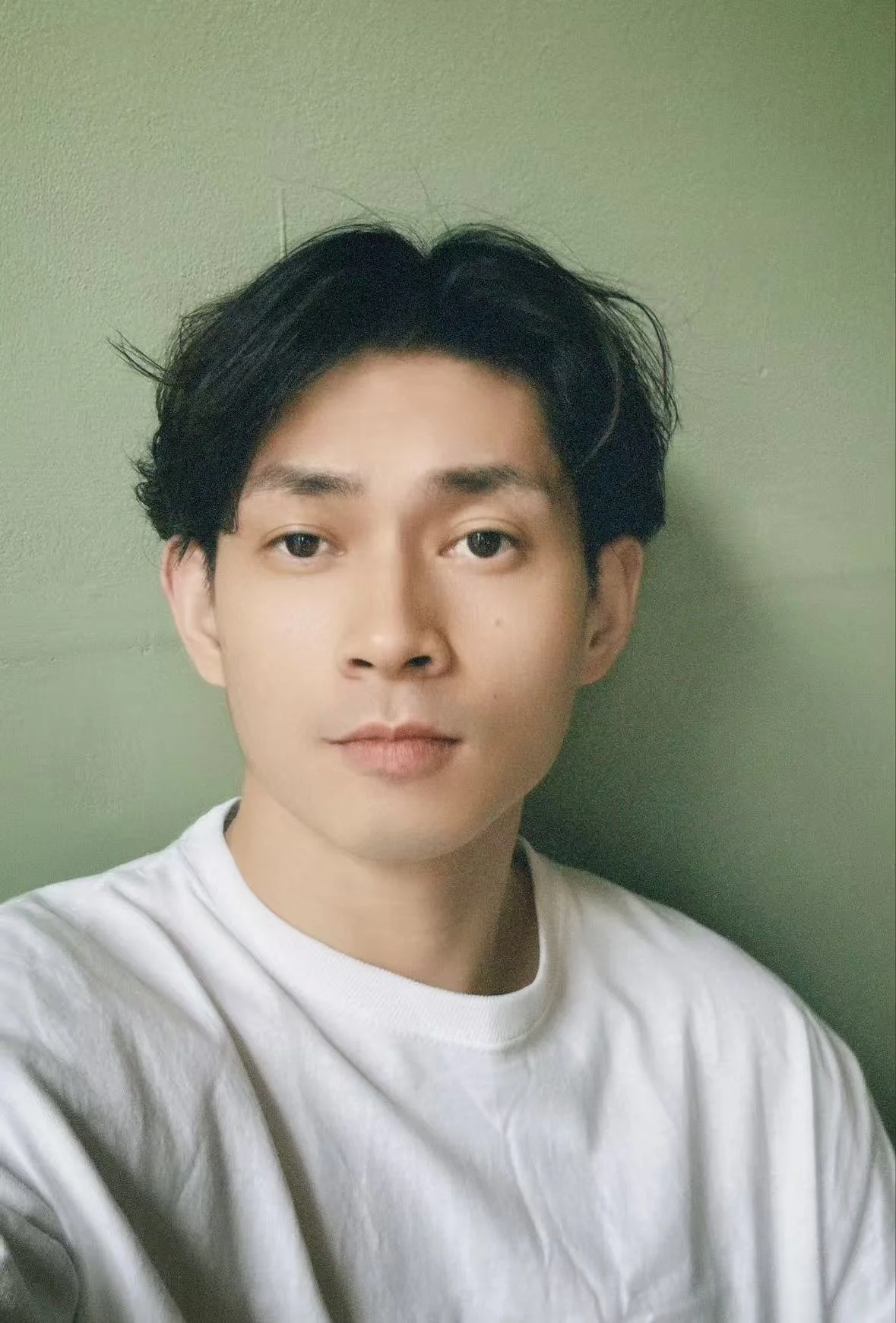
Peng Mi is a contemporary dancer and choreographer based in Guangzhou. Born in Hunan, China, he graduated from Hunan Normal University and danced with the Guangdong Modern Dance Company from 2015 to 2020. His performances include Point One, Light of Change, and Sumeru, which toured Asia, Europe, and Latin America. Additionally, he appeared in Black (Brisbane), Days of Heaven (Beijing), and Beyond Calligraphy (USA). Since 2021, Peng has worked independently, developing his choreographic voice through works like Destination (Münster and Amsterdam), Hommage (Berlin, Groningen, Shanghai), and The Domestication: Taboo Love (Guangzhou, Macau). His work blends physical intensity, artistic depth, and cross-cultural collaboration.
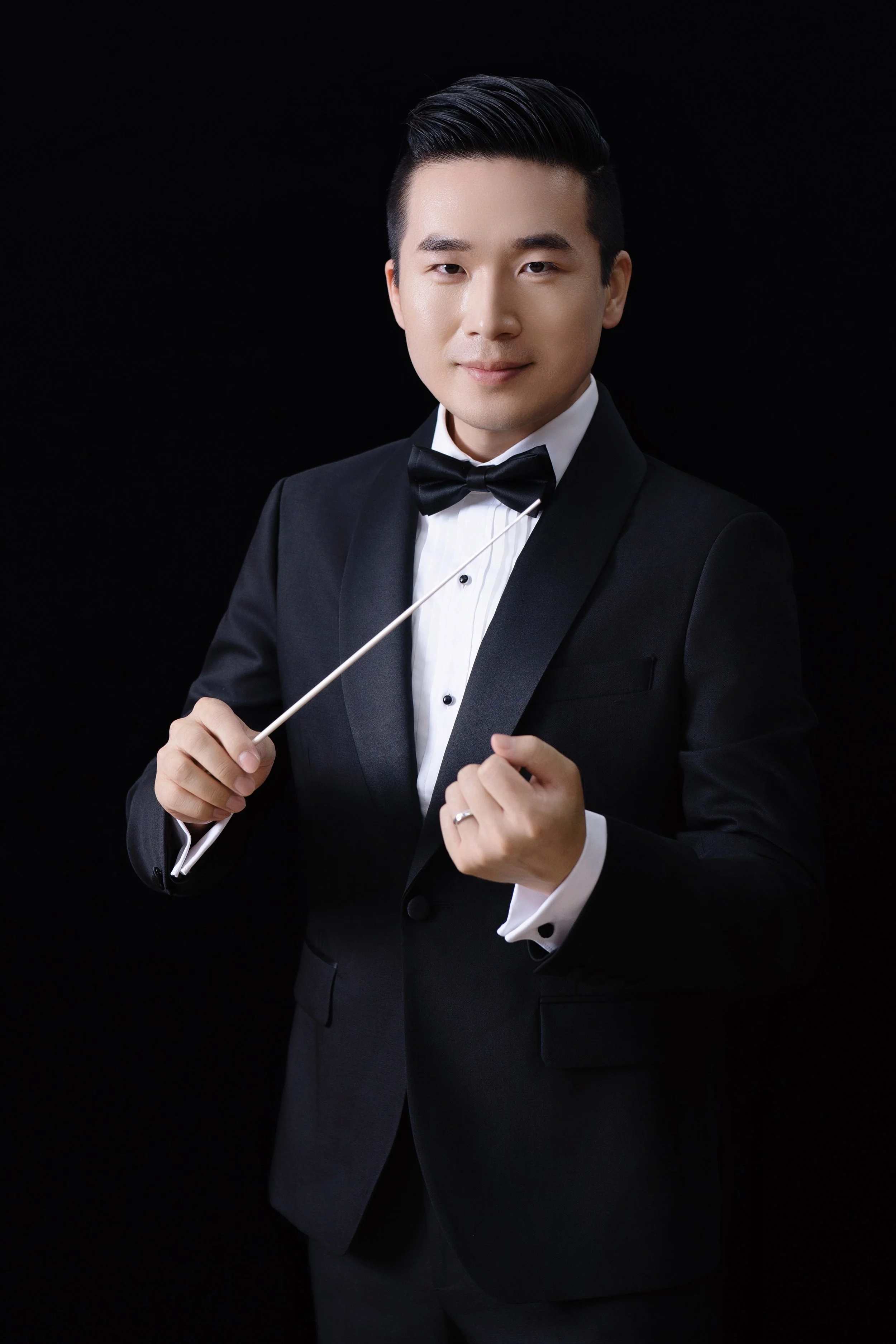
Shutong Li is the conductor and Music Director of the Bard Chinese Ensemble at the US-China Music Institute, as well as assistant conductor of the annual NY China Now Festival and the Bard East/West Ensemble. In 2017, Li founded an orchestra called “Musicians For Musicians” in New Mexico and organized and conducted 19 projects with 38 public concerts, which hosted over 50 young opera singers and instrumental soloists. He also served as chief conductor of the Symphony of Albuquerque and the UNM Health Sciences Centers Orchestra. Li has worked with groups such as the Chinese Music Ensemble of New York, Hong Kong Chinese Orchestra, the Sofia Philharmonic Orchestra, The Orchestra Now, the Dolce Suono Chorus, New York Concert Chorale, the State Opera Stara Zagora, Teatro Mancinelli Orvieto, the Dédalo Ensemble, and the AltreVoci Ensemble.

Shiqi Zhong is an acclaimed percussionist and DMA candidate at New York University, recognized for his versatility across world, classical, contemporary, and popular music. A graduate of the China Conservatory of Music Affiliated Middle School, Juilliard Pre-College, Curtis Institute of Music, Yale School of Music, and NYU, he brings a deep academic foundation to his artistry. Zhong has performed with the New Jersey Symphony Orchestra, American Symphony Orchestra, and Composer Symphony Orchestra, collaborating with conductors such as Yannick Nézet-Séguin, Leon Botstein, Xian Zhang, Vladimir Jurowski, and Osmo Vänskä. Dedicated to education, he serves as deputy editor of PAS China and a board member of the Asian Youth Musician Alliance, mentoring students who have gained admission to Curtis, Juilliard Pre-College, Manhattan School of Music, and San Francisco Conservatory. His teaching materials and innovative works for percussion reflect his mission to connect cultures and inspire the next generation of musicians.
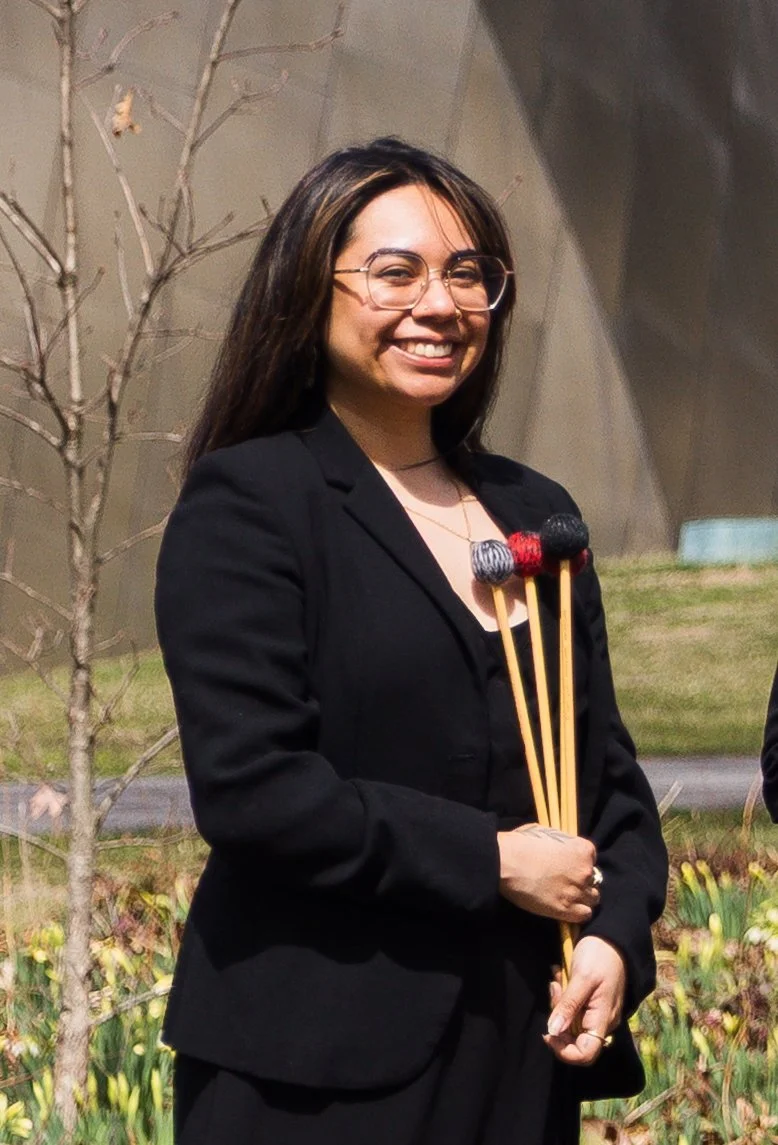
Jaelyn Quilizapa, percussionist and poet from Isleton, California, completed Bard Conservatory’s double-degree program in Percussion Performance and Poetry. Dedicated to contemporary and chamber music, she has performed Julius Eastman’s Stay on It with Sō Percussion at PASIC and appeared with the BARQuartet at the Hudson Jazz Festival. With the Bard East-West Ensemble, she has performed at Jazz at Lincoln Center, Carnegie’s Zankel Hall, and toured China in 2025. Her poetry collection A Woven Becoming (2024) explores identity through text.
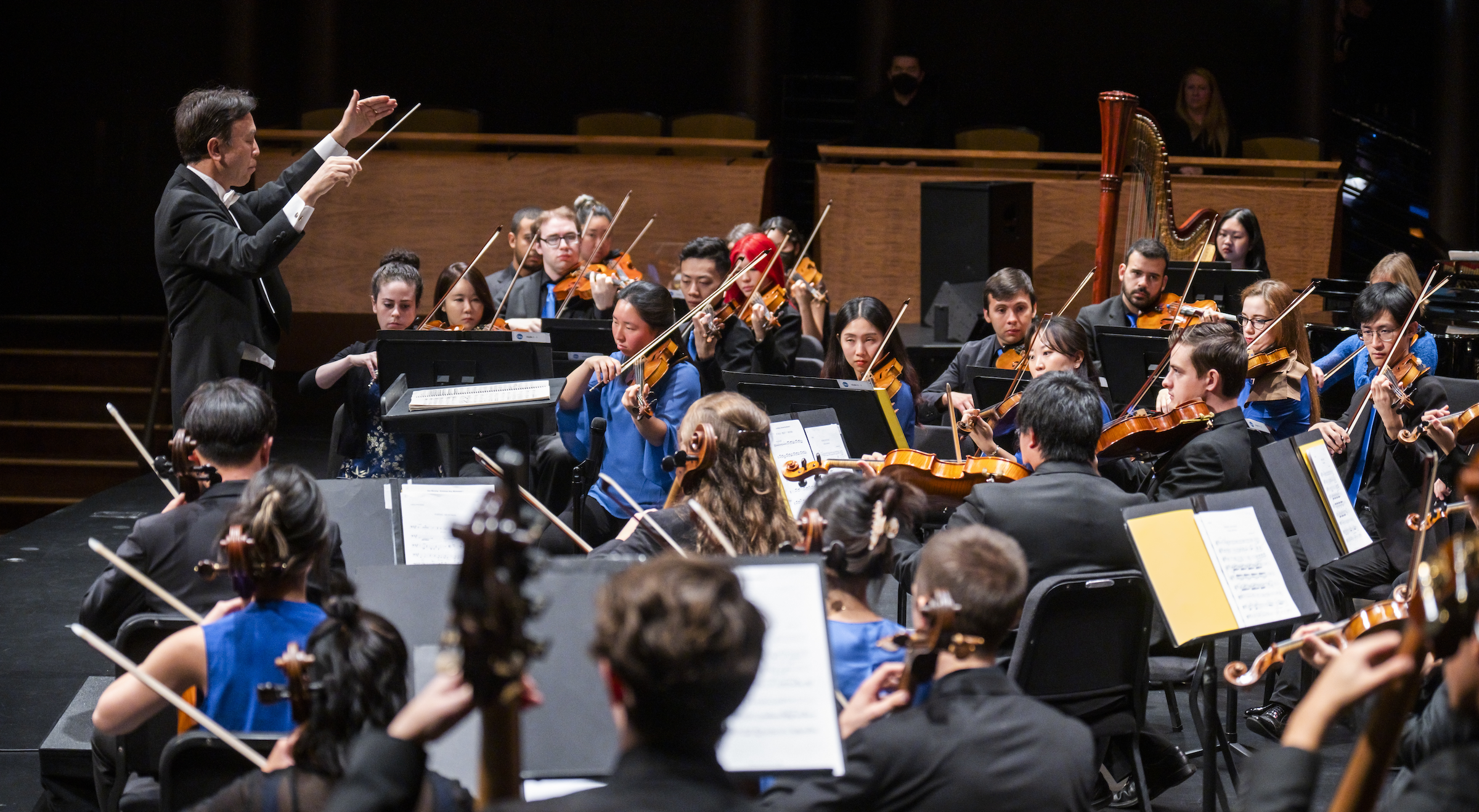
Founded in 2015 by conductor and educator Leon Botstein, The Orchestra Now (TŌN) is a graduate program of Bard College that is training the next generation of music professionals to become creative ambassadors of classical music. It offers accomplished young musicians a full-tuition fellowship toward a master’s degree in Curatorial, Critical, and Performance Studies or an advanced certificate in Orchestra Studies. TŌN’s innovative curriculum combines rehearsal, performance, recording, and touring with seminars, masterclasses, professional development workshops, teaching, and more. The members of the orchestra are graduates of the world’s leading conservatories, and hail from countries across North and South America, Europe, and Asia. Many have gone on to have careers in the Philadelphia, San Francisco, Boston, Vancouver, and National symphony orchestras; Orquesta Sinfónica Nacional de Colombia; the United States military bands; and many others.
TŌN performs dozens of concerts a year at venues including Carnegie Hall, Lincoln Center, The Metropolitan Museum of Art, and the Fisher Center at Bard. Specializing in both familiar and rarely heard repertoire, the orchestra has given numerous New York, U.S., and world premieres, and has performed the work of living composers, including Joan Tower, Jessie Montgomery, Jonny Greenwood, and Tania León. In 2023, TŌN appeared with Bradley Cooper in the Academy Award-nominated film Maestro, and was featured on the Deutsche Grammophon soundtrack, conducted by Yannick Nézet-Séguin. The orchestra has performed with many other distinguished guest conductors and soloists, including Leonard Slatkin, Gil Shaham, Neeme Järvi, Stephanie Blythe, Fabio Luisi, Vadim Repin, Joseph Young, Peter Serkin, Naomi Woo, Peter Moore, Tan Dun, and JoAnn Falletta.
TŌN has released several albums on the Hyperion, Sorel Classics, and AVIE labels. May 2024’s The Lost Generation includes world-premiere recordings of works by Hugo Kauder, Hans Erich Apostel, and Adolf Busch. Other highlights include rare recordings of Othmar Schoeck’s Lebendig begraben and Bristow’s Arcadian Symphony, and the soundtrack to the motion picture Forte. Recordings of TŌN’s live concerts from the Fisher Center can be heard regularly on Classical WMHT-FM and WWFM The Classical Network, and the orchestra has appeared over 100 times on Performance Today, broadcast nationwide. Learn more at ton.bard.edu
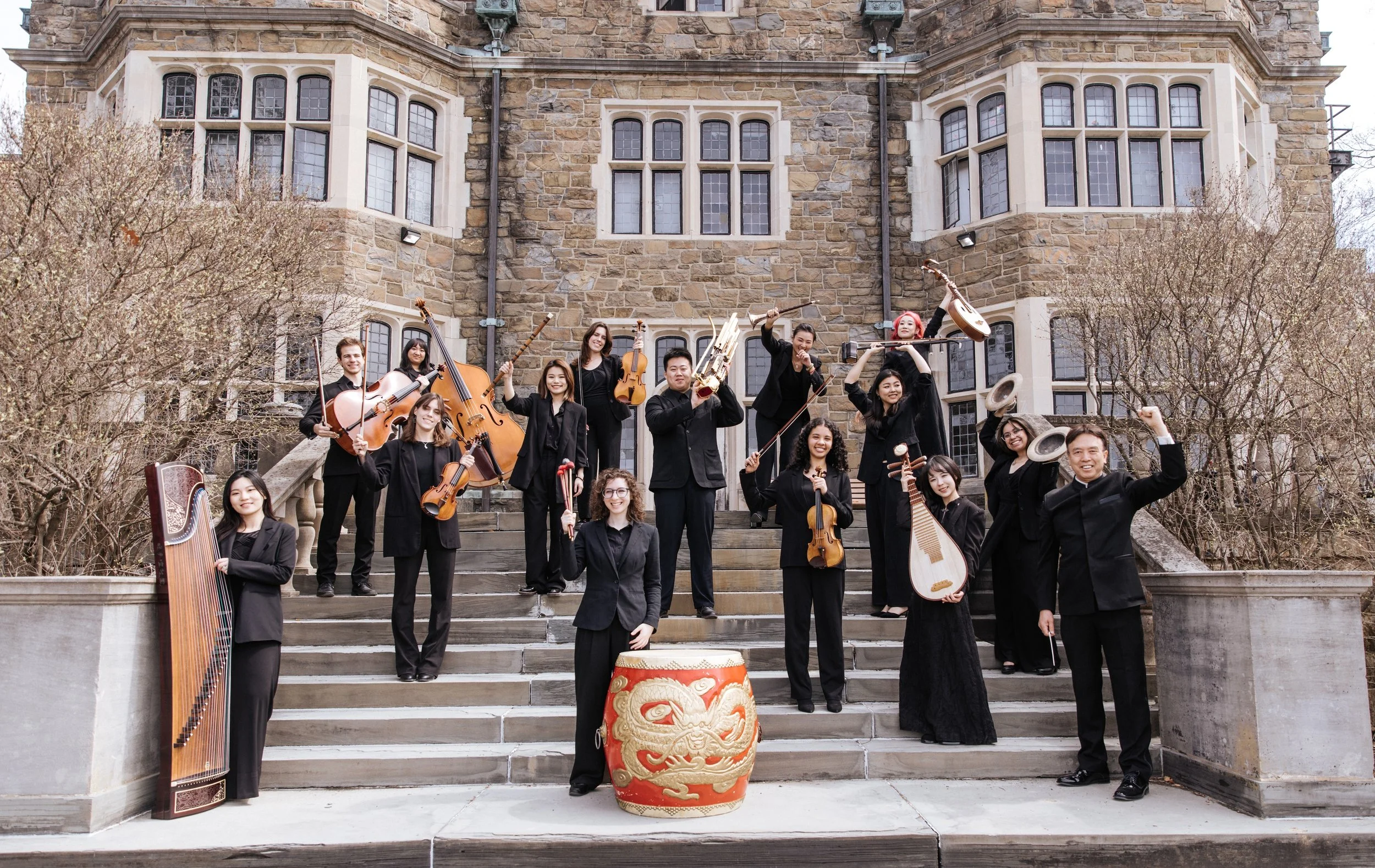
The Bard East-West Ensemble (BE/WE) is a bold and original group that fuses Chinese and Western musical traditions to create a new model of cross-cultural performance. Founded by conductor and educator Jindong Cai, the ensemble features a Western string quintet alongside seven traditional Chinese instruments, including dizi, erhu, pipa, ruan, suona, guzheng, and sheng, supported by Chinese and Western percussionists.
BE/WE has appeared at major U.S. venues including the Kennedy Center, Carnegie Hall, Jazz at Lincoln Center, and the Chinese Embassy in Washington, D.C. The group has collaborated with acclaimed soloists such as Guo Yazhi, Wu Man, and Duo Chinoiserie.
Its repertoire includes original works and dynamic new arrangements by renowned composers like Zhou Long, Tan Dun, and Xinyan Li. Committed to cultural exchange, BE/WE seeks to foster US-China understanding through music—and in June 2025, completed its first tour of China with 11 performances across 8 cities.
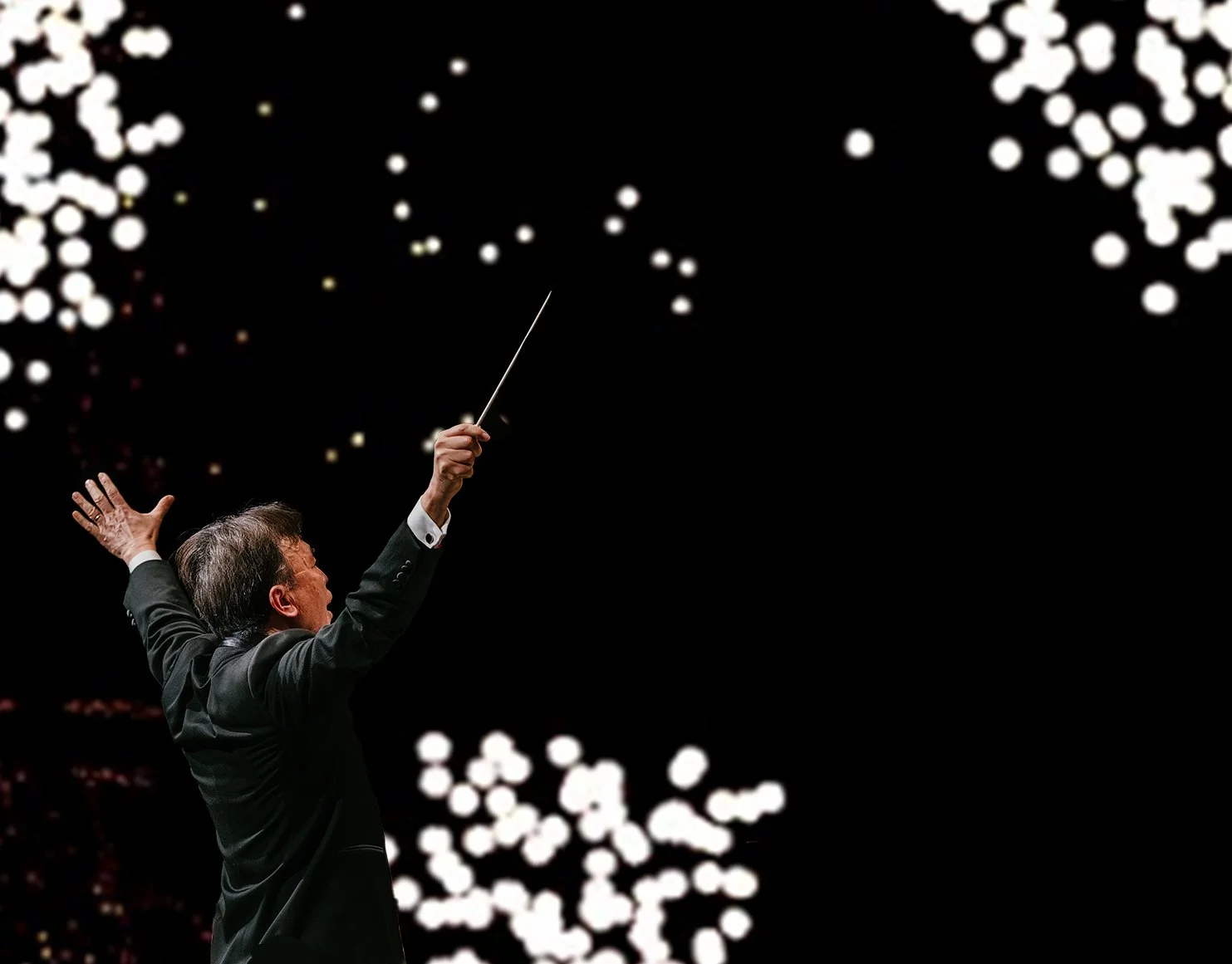
The Song of the Earth (2004) by Ye Xiaogang is a contemporary orchestral work that reimagines Gustav Mahler’s Das Lied von der Erde through a distinctly Chinese lens. Drawing on the lyrical beauty of Tang Dynasty poetry, Ye sets classical Chinese texts to music, exploring themes of nature, impermanence, and human longing. The piece is both meditative and emotionally resonant, with music that echoes the philosophical depth of the original poems. Ye’s orchestration delicately balances Eastern and Western elements, allowing ancient Chinese verse to speak through modern musical language.
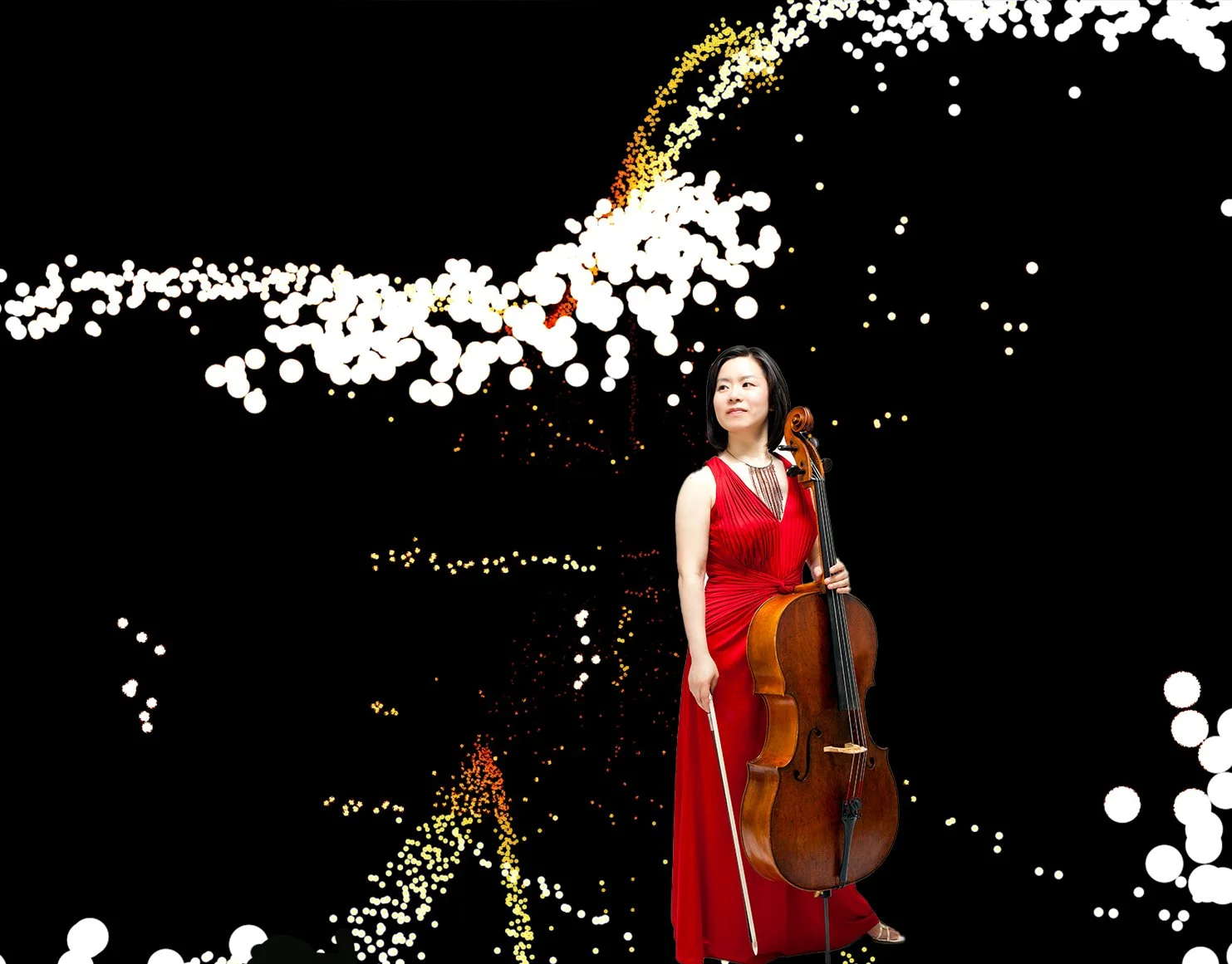
The Lonely Camel Calf (2012) by Mongolian-born composer Yu Mengshi blends contemporary style with the depth of Mongolian folk traditions. Inspired by the folk song The Lonely White Camel Calf from Inner Mongolia, the piece follows a young camel’s solitary journey through the Gobi Desert in search of its mother. Written for orchestra and a solo cello tuned to emulate the morin khuur (horsehead fiddle), it draws on long song contours, khöömei singing style, and traditional rhythmic forms. Evoking homesickness and longing, the work reimagines folk elements into a fresh, contemporary voice.
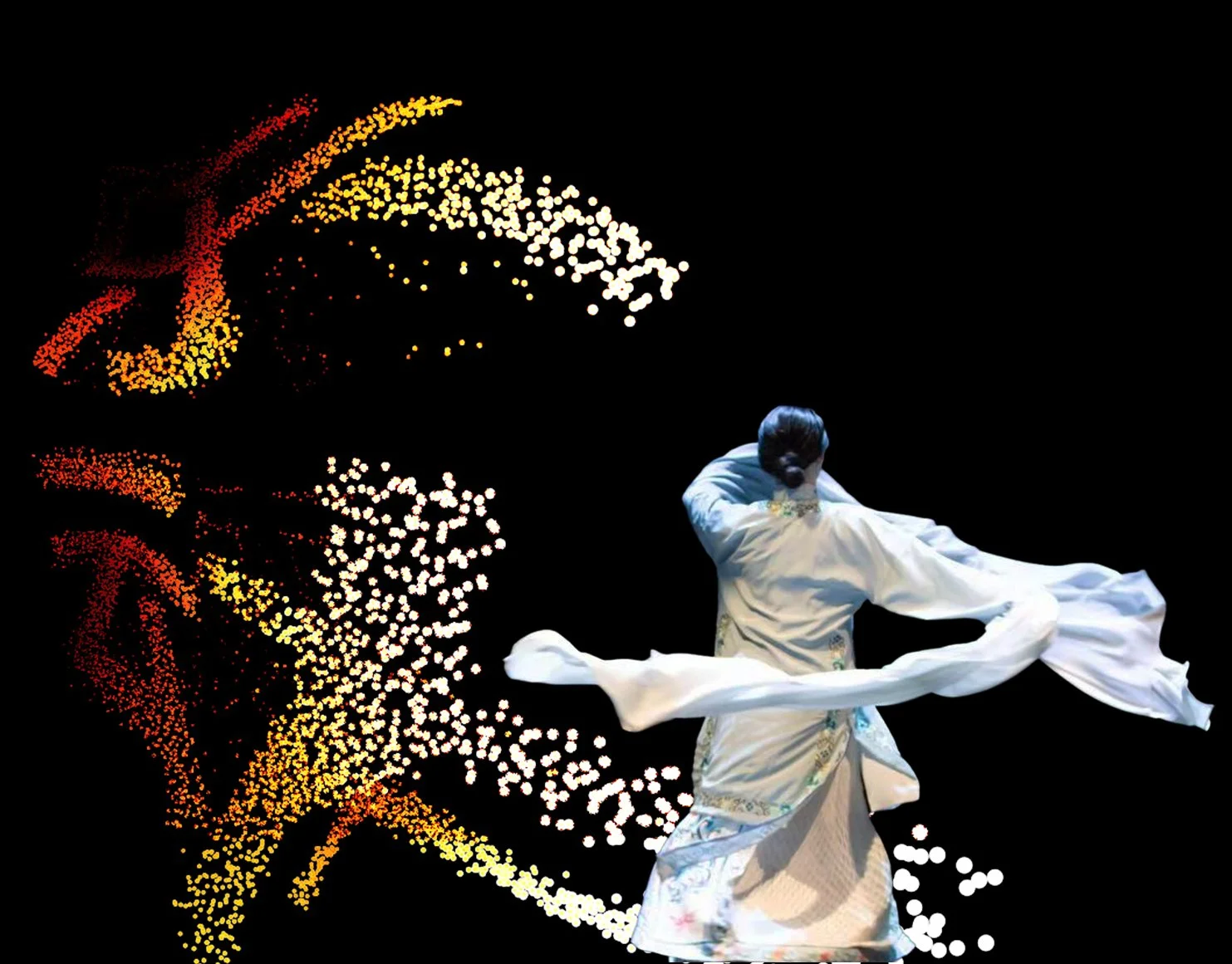
The chamber opera Mi 谜 (The Enigma) premiered in December 2023, featuring a libretto by Pan Geng and music by Ma Hanrui. Pan’s libretto is an homage to David Henry Hwang’s acclaimed play M. Butterfly. In Mi, Pan and Ma draw inspiration from Hwang’s story to explore issues of illusion and desire in their own unique voice. The arrangement weaves together three vocal roles—a tenor, a baritone, and a male dan from Peking Opera—supported by the Bard East/West Ensemble’s unique fusion of Chinese and Western instruments. Over two short acts, the piece relates the tragic story of a French officer entangled in his own "Madame Butterfly" fantasy. Elegant and unsettling, Mi explores themes of identity, deception, and the devastating power of cultural myth. READ THE LIBRETTO HERE
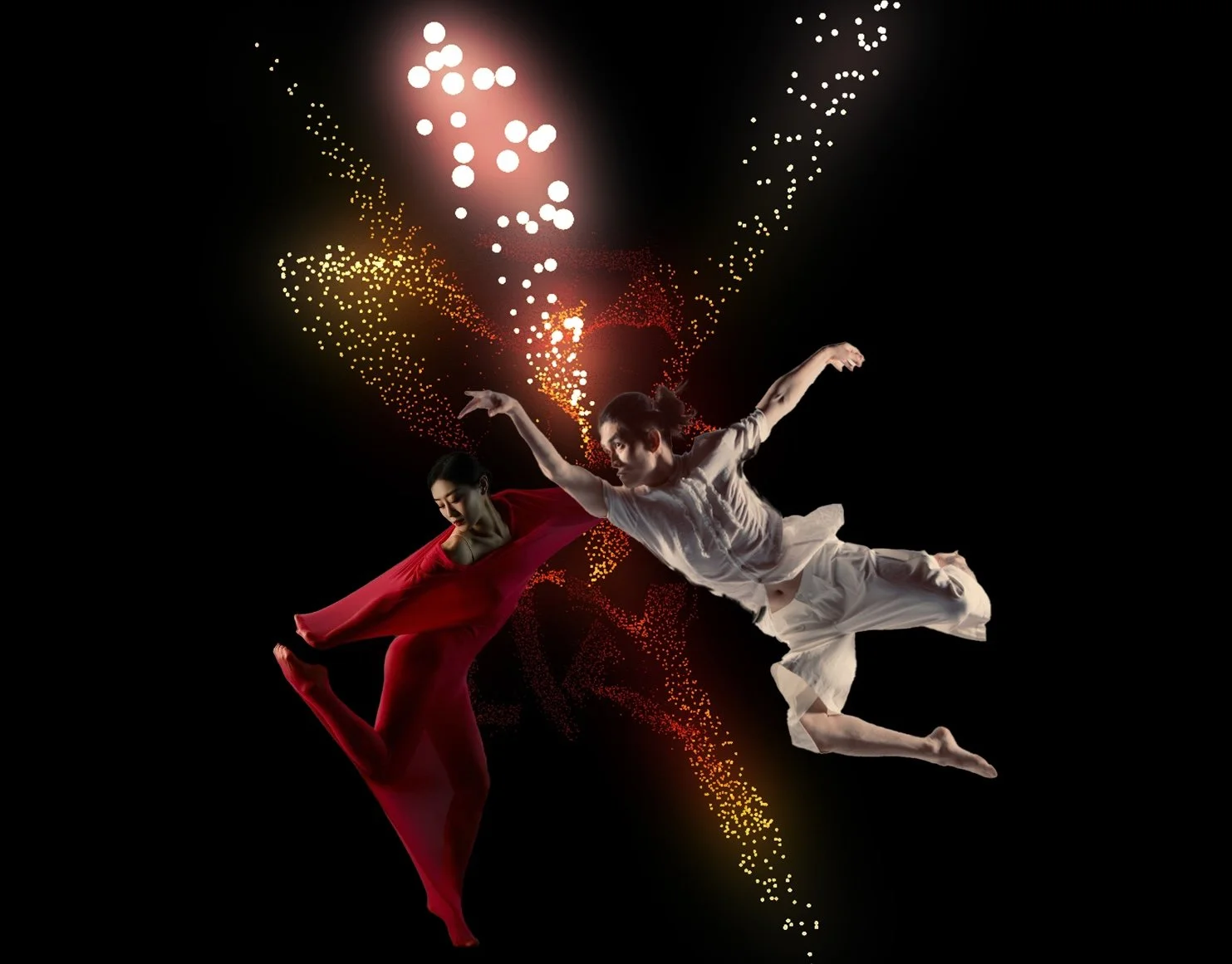
Wang Danhong’s Four Seasons in Lingering Garden is a vivid orchestral suite inspired by the classical Chinese garden in Suzhou. In a new arrangement exclusively for the Bard East/West Ensemble, the piece captures the shifting moods of each season through the interplay of traditional Chinese instruments alongside a Western string quintet. The music evokes the elegance and tranquility of the Lingering Garden, blending lyrical melodies with intricate textures. Choreographer Dai Jian imbues the piece with the graceful movement of two dancers joining the ensemble on stage.
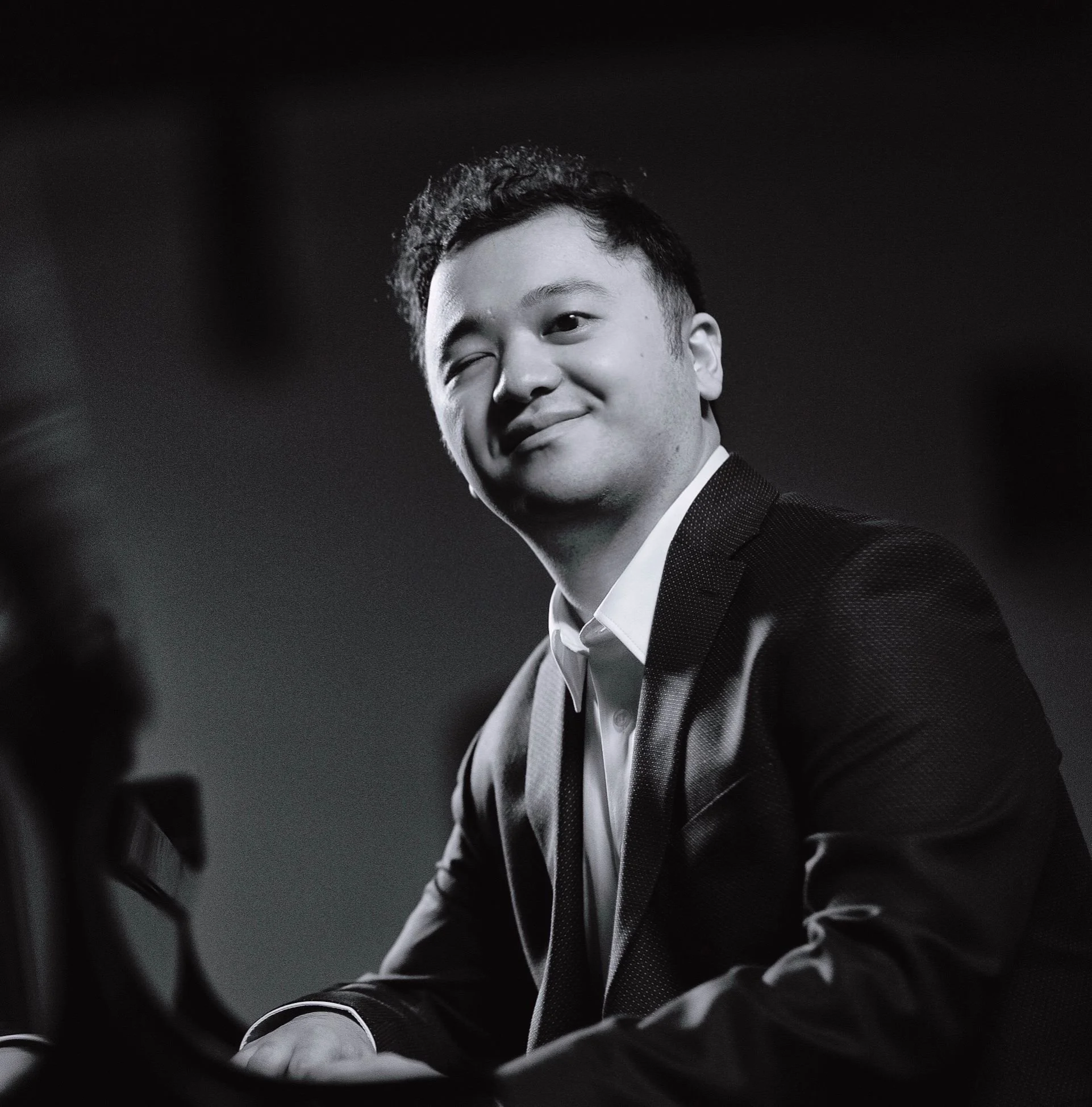
Dai Bo is a prominent Chinese composer and former student of Ye Xiaogang. Blind from an early age, Dai graduated from the Composition Department of the Central Conservatory of Music, where he developed a distinctive compositional style blending contemporary techniques with profound emotional expression.
His major works include Echoes of Silence for orchestra, the chamber piece Threads of Memory, and the vocal cycle Songs of the Soul. These compositions have been performed widely in China and internationally, praised for their lyrical depth and innovative soundscapes.
Dai Bo remains an influential figure in contemporary Chinese music, actively composing and teaching while contributing to the evolving landscape of modern composition with his unique artistic voice.
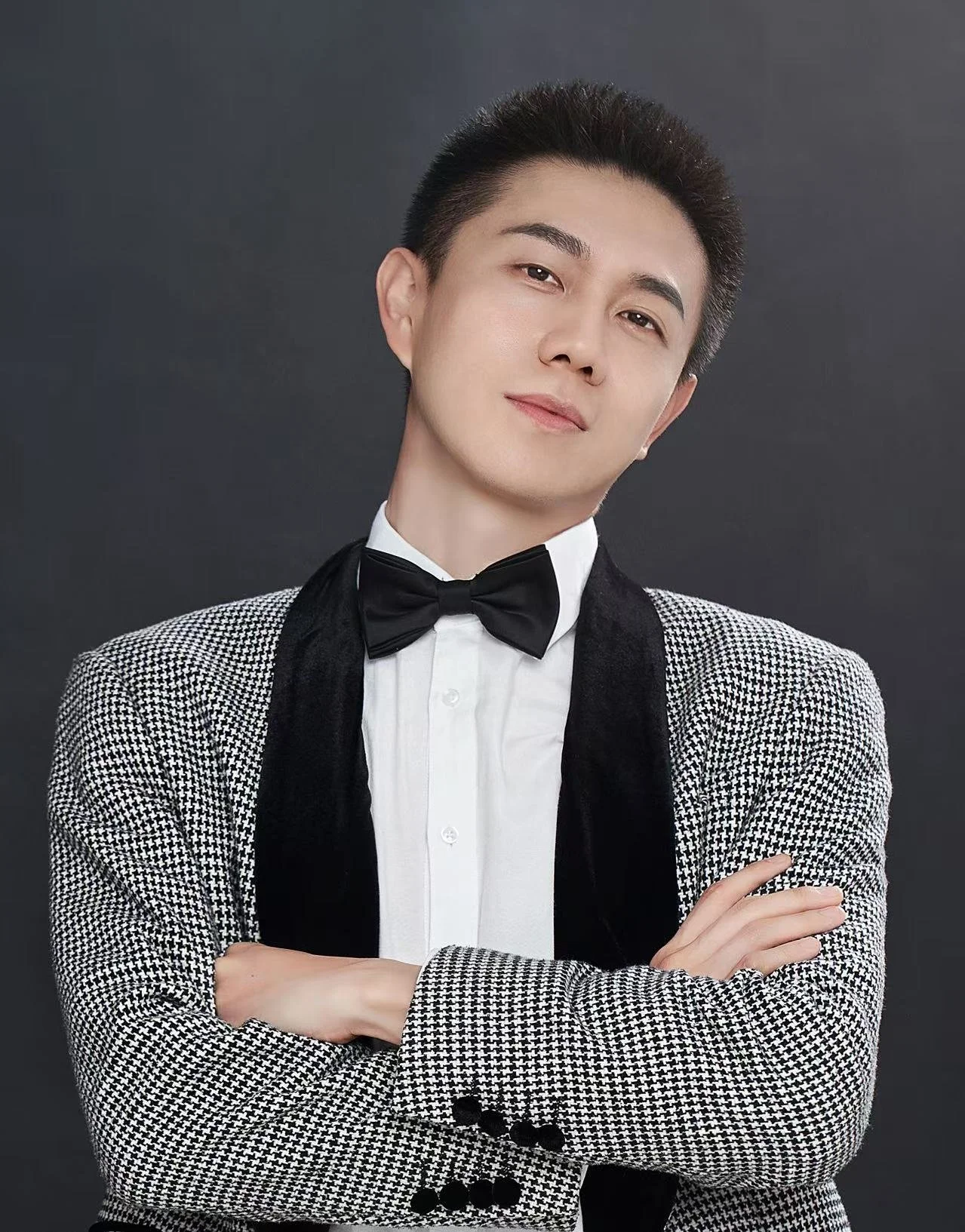
Yu Mengshi is a Mongolian composer and lecturer in the Composition Department at the Central Conservatory of Music in Beijing. He holds a Doctorate in Composition from the Shanghai Conservatory of Music and is the first Mongolian postdoctoral fellow in composition at the Central Conservatory. He is a signed composer with Universal Edition (UE) in Austria.
Born in Chifeng and raised in Hohhot, Inner Mongolia, Yu began studying music theory under Du Zhaozhi and entered the Shanghai Conservatory's affiliated middle school in 2000. He spent 18 years studying composition at the institution.
Yu's works have been featured at the Shanghai Spring International Music Festival, the 21st Century Music Talent Development Program, and other major platforms. He has received awards from the Baichuan Composition Competition, Busan Maru International Music Festival (Korea), DUNN International Composition Competition (Serbia), and the IBLA Grand Prize Competition (Italy).
In 2023, his debut album, Five Colored Winds – Yu Mengshi's Personal Works, was released by Beijing Universal Audio-Visual Publishing House and distributed internationally.
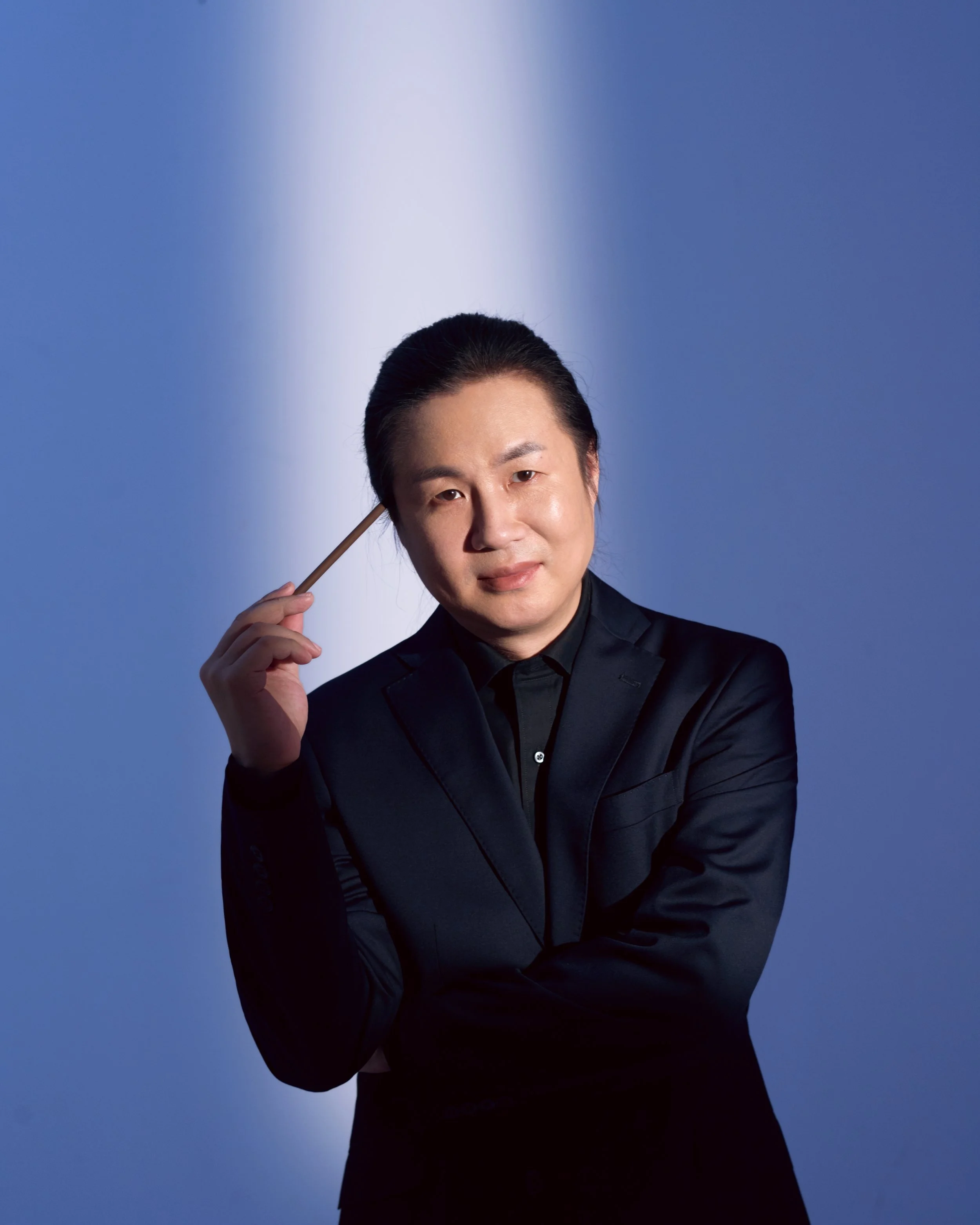
Zou Hang is a professor and master’s supervisor at the Central Conservatory of Music in China, where he studied under the renowned composer Ye Xiaogang. His diverse compositional style is influenced by a wide range of musical genres, blending contemporary techniques with traditional Chinese elements.
His works have received prestigious awards, including the International Gaudeamus Prize (Netherlands) and the Best Composer Award at the China Dance Lotus Awards. Zou’s music has been featured in major national initiatives such as the China National Arts Fund and the Symphony of the Times project.
His compositions have been performed in over 30 countries, with notable appearances at venues including the Berliner Philharmoniker Concert Hall, Kennedy Center Opera House, Jazz at Lincoln Center, and the National Centre for the Performing Arts in Beijing.

Ye Xiaogang is one of China’s leading contemporary composers, known for blending Western compositional techniques with Chinese musical traditions. Born in Shanghai in 1955, he studied at the Central Conservatory of Music in Beijing beginning in 1978, alongside Tan Dun, Chen Yi, and Zhou Long. He later earned a master’s degree from the Eastman School of Music, studying with Samuel Adler and Joseph Schwantner.
His major works include The Great Wall Symphony, Starry Sky, Lamura Cuo, The Song of the Earth, and symphonies Songs from the Steppe (No. 4) and Lu Xun (No. 5). His music has been performed by the New York Philharmonic, Royal Philharmonic, Deutsche Symphonie-Orchester Berlin, and China National Symphony Orchestra.
Ye is currently the founding dean of the School of Music at the Chinese University of Hong Kong, Shenzhen. His influence extends across composition, education, and cultural exchange, shaping the global profile of modern Chinese music.
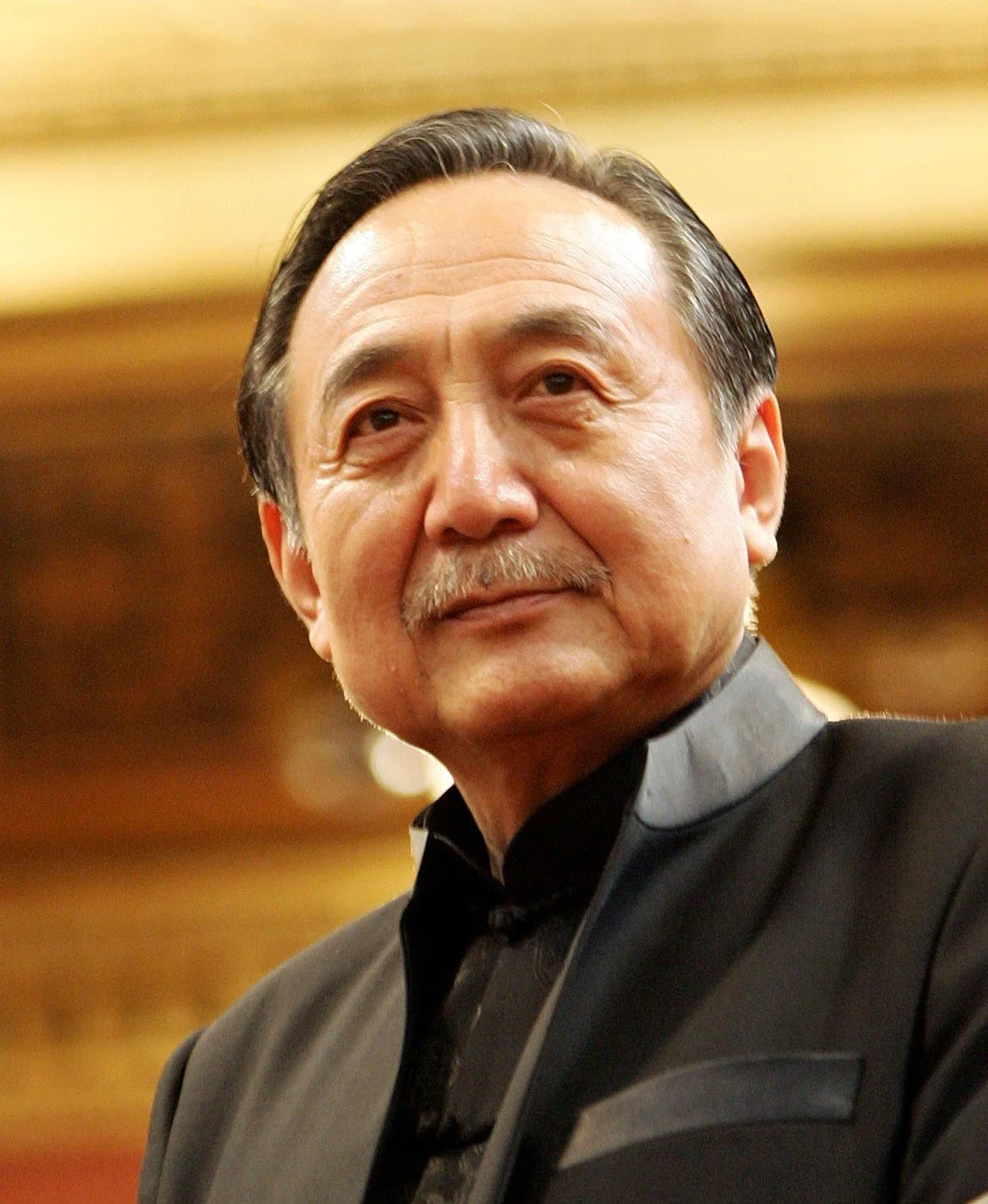
Born in Beijing in 1939, Guan Naizhong studied composition at the Central Conservatory of Music and has since become a leading figure in contemporary Chinese music. His output includes three symphonies, sixteen concertos, numerous orchestral works, choral compositions, film scores, and adaptations of folk and traditional music.
Guan has also held major conducting posts, including Music Director of the Hong Kong Chinese Orchestra (1986–1990) and conductor of the Kaohsiung Chinese Orchestra. He has lived in Canada since 1994 and remains active as a composer and conductor across Asia and North America.
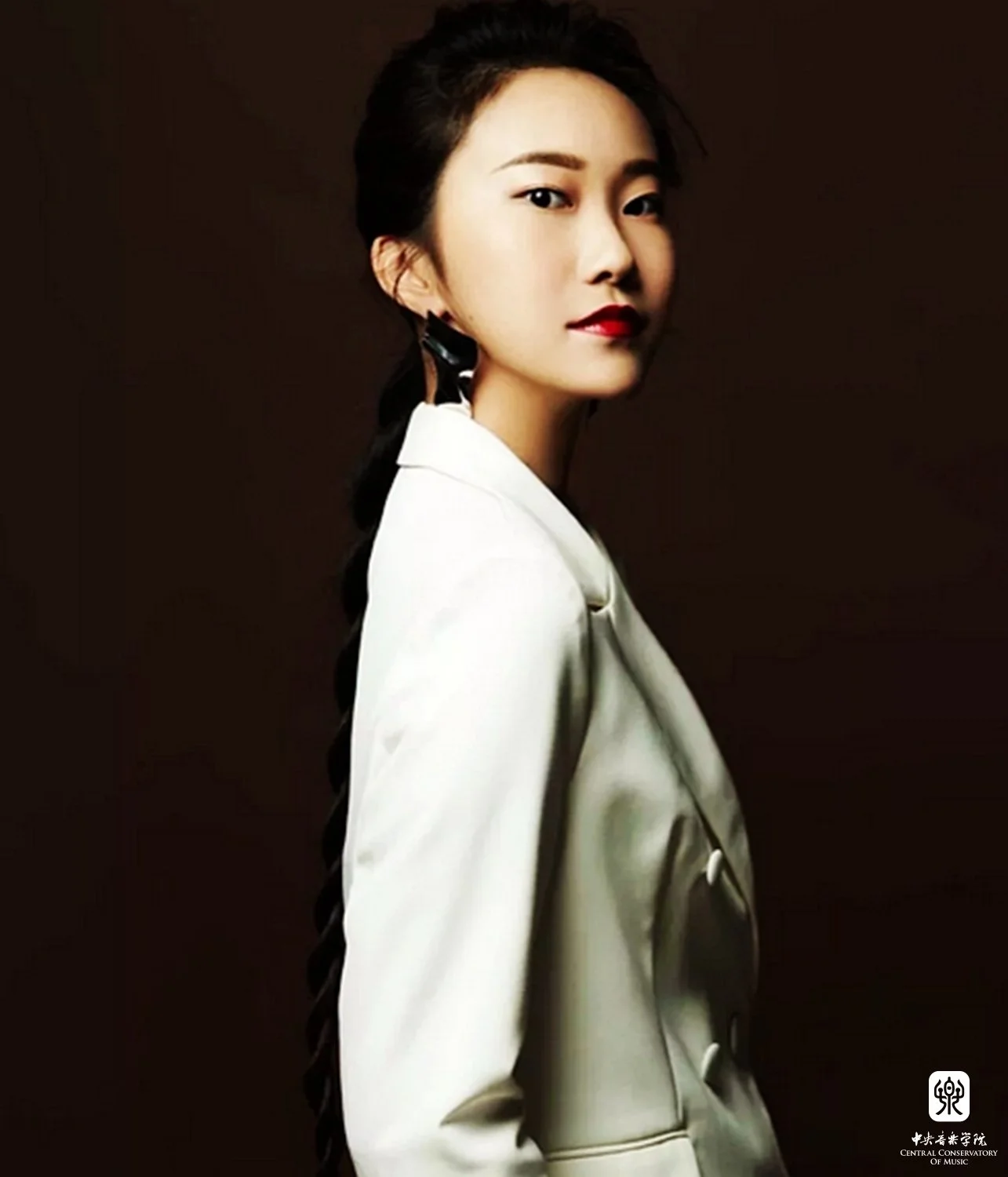
Ma Hanrui, born in Beijing in 1998, is a doctoral candidate in composition at the Central Conservatory of Music (CCOM). She began studying composition at age 12 at the CCOM Middle School and continued her undergraduate and master’s studies at the same institution. Her principal teachers include Professors Xu Zhitong, Gong Xiaoting, Zhang Shuai, and Hao Weiya.
Ma’s music blends Eastern cultural elements with Western compositional techniques, spanning symphonic, chamber, and dance music. Her works have been performed by leading ensembles such as the China National Traditional Orchestra, Hong Kong Chinese Orchestra, Wuxi Chinese Orchestra, CCOM Symphony Orchestra, and CCOM Choir.
In addition to her compositional work, Ma is also active as a choreographer and movement director, contributing to the staging of operas, musicals, and theatrical productions. Her interdisciplinary approach reflects a deep interest in the integration of sound and movement in contemporary performance.

Wang Danhong holds a doctorate in composition from the Central Conservatory of Music (CCOM), where she now serves as a professor of composition. She is recognized as one of the most dynamic young composers in contemporary China, having received prestigious awards including the Wenhua Award, the Gold Prize for Young Composers at the Chinese Music Forum, and Best Original Work at the CCTV National Chinese Instrumental Music Competition.
In 2021, Wang was selected for China’s National High-Level Talent Support Program as a “Top Young Talent.” Her works have been featured in major cultural projects such as Symphony of the Times and Centenary – 100 Works, and she has composed for significant national events including the 75th Anniversary of the PRC, and the 2024 China International Confucius Culture Festival.
Wang’s music is known for its emotional richness, lyrical melodies, and expansive style. She composes across genres, including Chinese traditional orchestral music, symphonic works, ballet, and film scores. Major compositions includeForever Shandan, Ode to the Sun, and Impressions of Shanxi for Chinese orchestra; The Lighthouse and The Yangtze South for symphony orchestra; the symphonic choral work A Vision of Jing-Jin-Ji; and the ballet Like Flowers.
The China Now Music Festival is an annual series of events produced by the US-China Music Institute of the Bard College Conservatory of Music in collaboration with the prestigious Central Conservatory of Music, China. China Now is dedicated to promoting an understanding and appreciation of classical music from contemporary China. Each year’s festival explores a singular theme. The inaugural festival in 2018, Facing the Past, Looking to the Future: Chinese Composers in the 21st Century, presented US and world premieres of orchestral works by 11 living Chinese composers in concerts at Bard College, Carnegie Hall, and Lincoln Center. The following year, the festival presented China and America: Unity in Music at Bard College, Carnegie Hall, and Stanford University, and featured the world premiere of the symphonic oratorio Men of Iron and the Golden Spike, a major new work by Pulitzer Prize-winning composer Zhou Long honoring the Chinese railroad workers of the American West on the 150th anniversary of the completion of the Transcontinental Railroad. Recent seasons include Beethoven and China in 2020, Asian American Voices in 2021, East of West in 2022, The Bridge of Music in 2023, and Composing the Future in 2024.
The 2025 China Now Music Festival is presented in collaboration with the Central Conservatory of Music, China.
China Now 2025 graphics by Saboteur Studio. The Orchestra Now photos by Fadi Kheir.