1
2
3
4
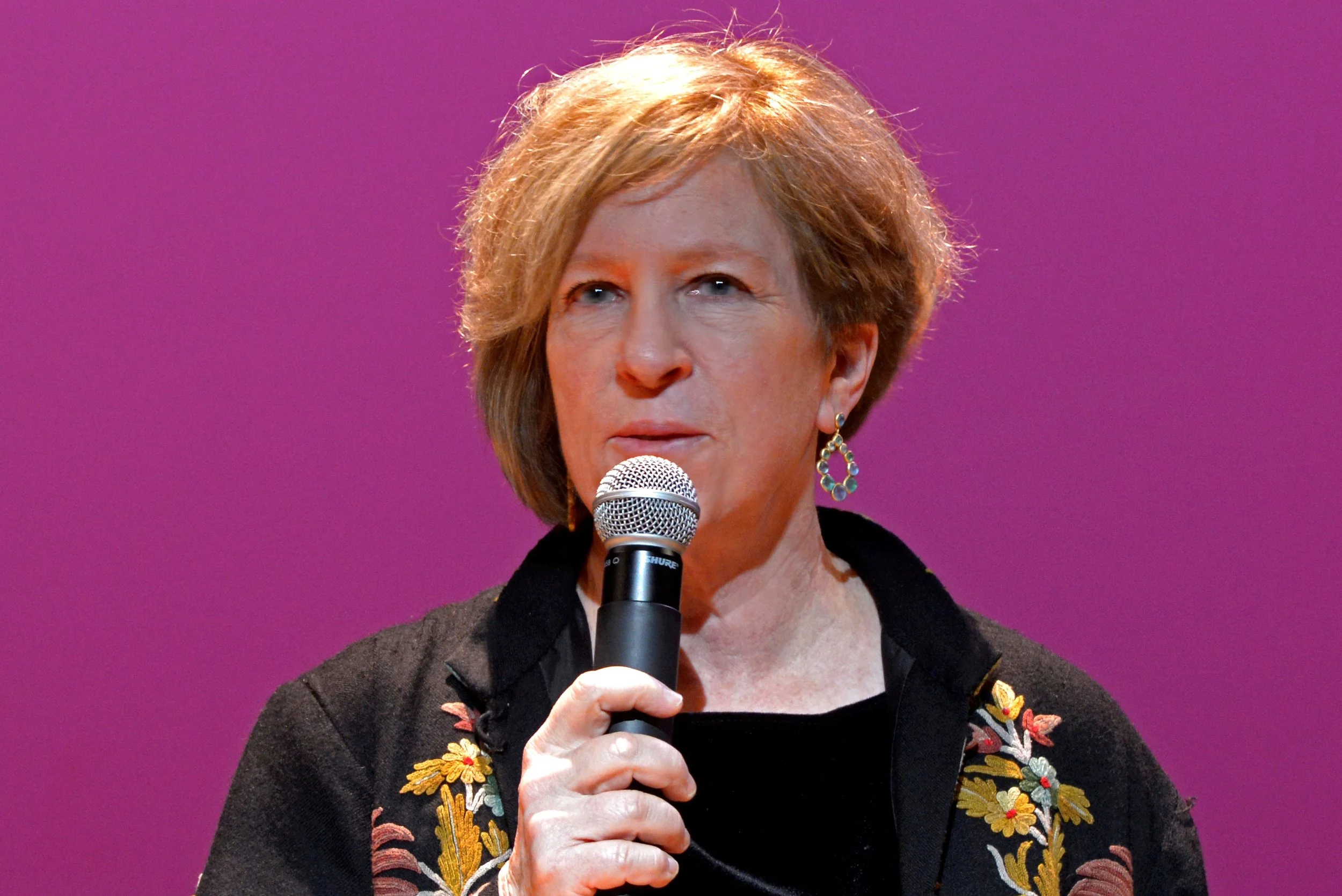
Rachel Cooper, moderator
Rachel Cooper is a global arts advocate, performing arts curator, and cultural diplomat who has developed pioneering projects in global arts and culture with a focus on Asia. She has commissioned and presented music, dance, and theater, and she promotes international cultural exchange.
Cooper is on the advisory council for the Aga Khan Music Program and serves on the boards of Living Arts International and the American Indonesian Culture and Education Foundation. She directed the Festival of Indonesia in Performance and is the cofounder of Gamelan Sekar Jaya, a Balinese music and dance group.
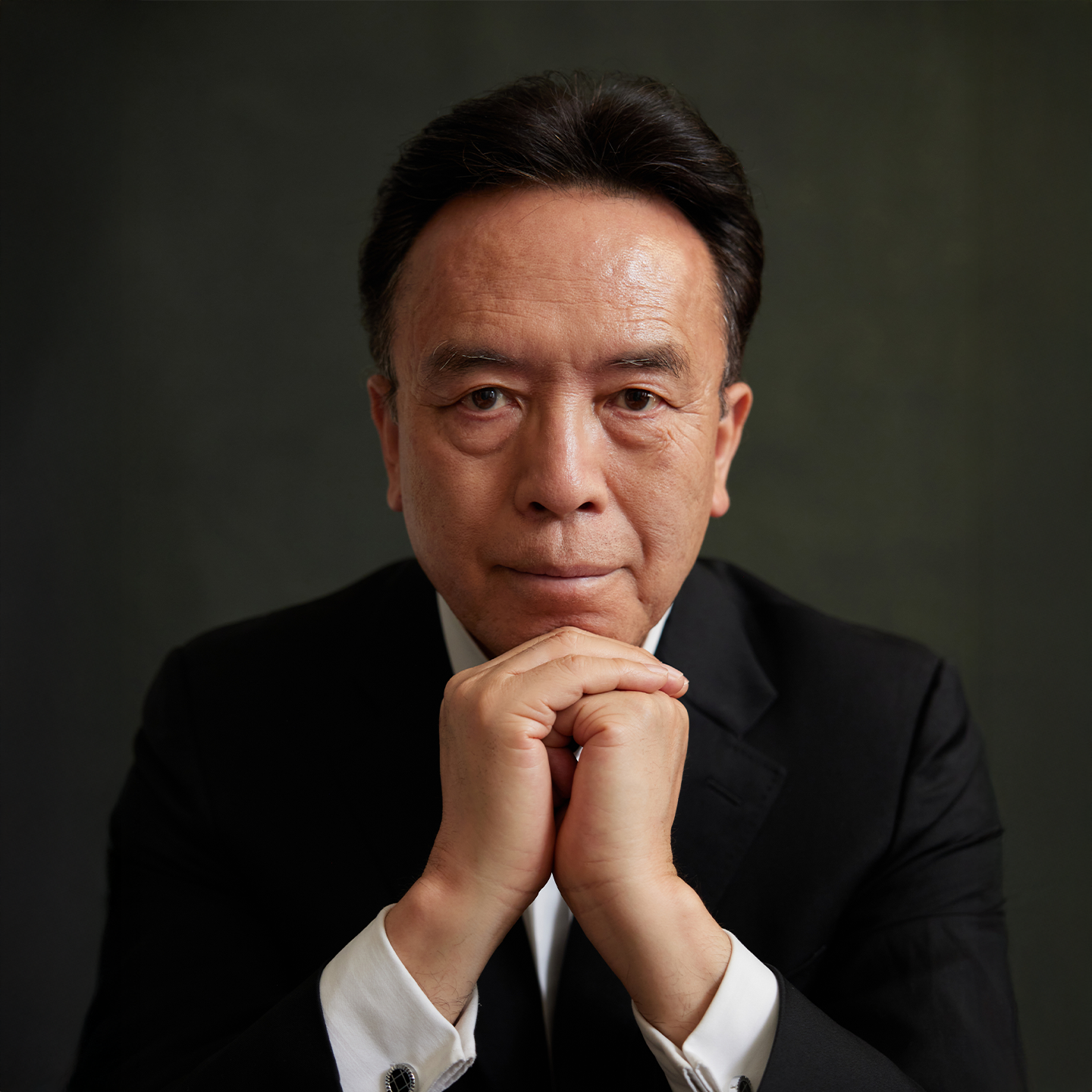
Jindong Cai 蔡金冬, artistic director and conductor
Jindong Cai is director of the US-China Music Institute, professor of music and arts at Bard College, and associate conductor of The Orchestra Now (TŌN). Previously, he was a professor of performance at Stanford University. During his career of more than 30 years in the United States, Cai has established himself as an active and dynamic conductor, scholar of Western classical music in China, and leading advocate of music from across Asia.
Born in Beijing, Cai received his early musical training in China, where he learned to play violin and piano. He came to the United States for his graduate studies at the New England Conservatory and the College-Conservatory of Music in Cincinnati. Cai started his conducting career with the Cincinnati Symphony Orchestra, and has worked with orchestras throughout North America and Asia. He has conducted most of the top orchestras in China and is a three-time recipient of the ASCAP Award for Adventurous Programming for Contemporary Music.
At Bard, Cai founded the annual China Now Music Festival, which presents new works by some of the most important Chinese composers of our time. Concerts are performed by The Orchestra Now at Bard’s Fisher Center for the Performing Arts, Lincoln Center, Carnegie Hall, and Stanford University. In 2019, the festival premiered Men of Iron and the Golden Spike by Pulitzer Prize–winning composer Zhou Long.
With his wife, Sheila Melvin, Cai has coauthored many articles on the performing arts in China, as well as two books, Rhapsody in Red: How Western Classical Music Became Chinese and Beethoven in China: How the Great Composer Became an Icon in the People’s Republic.
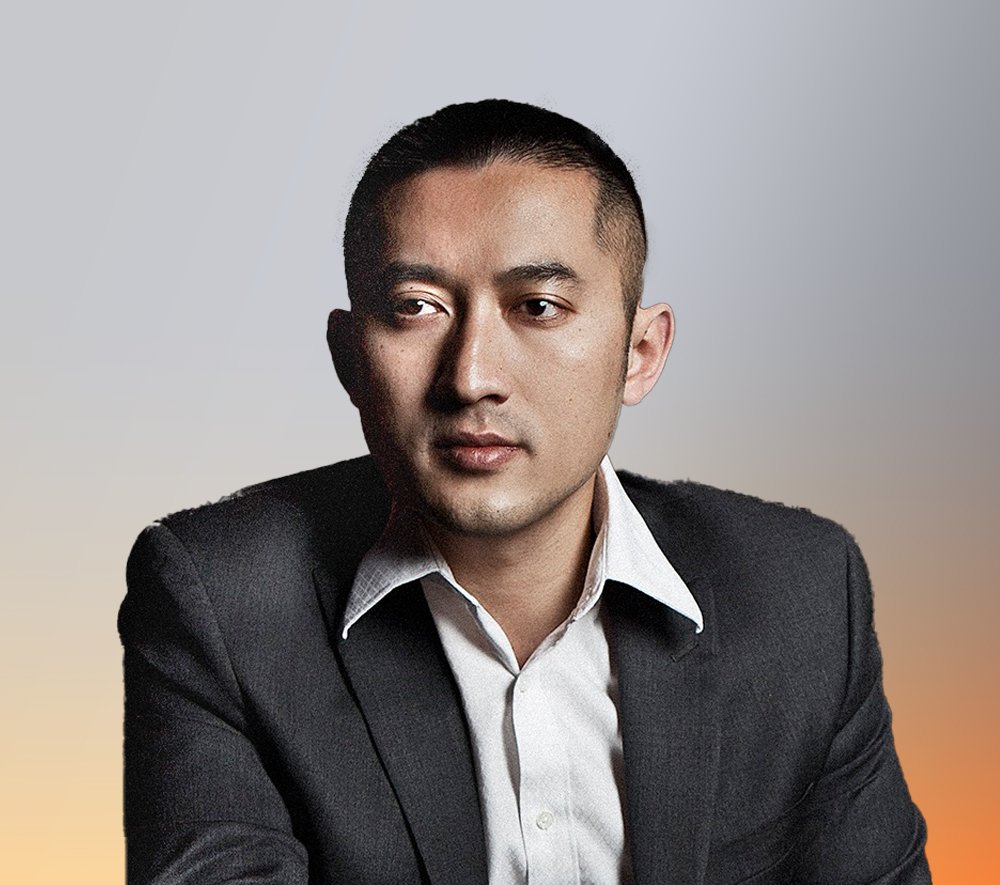
Huang Ruo 黄若, composer
Composer Huang Ruo has been lauded by The New York Times for having “a distinctive style.” His vibrant and inventive musical voice draws equal inspiration from ancient and folk Chinese music; Western avant-garde; experimental, natural, and processed sound; rock; and jazz to create a seamless, organic integration using a compositional technique he calls “dimensionalism.” Huang’s diverse compositional works span from orchestra, chamber music, opera, theater, and dance to cross-genre, sound installation, architectural installation, multimedia, experimental improvisation, folk rock, and film. His music has been performed by the New York Philharmonic, Philadelphia Orchestra, Boston Symphony Orchestra, San Francisco Symphony, BBC Symphony Orchestra, Netherlands Radio Philharmonic, Santa Fe Opera, Washington National Opera, Houston Grand Opera, Opera Theatre of St. Louis, Asko|Schöenberg, Ensemble Modern, and London Sinfonietta. He has composed eight operas, including M. Butterfly, Paradise Interrupted, and An American Soldier—the premiere of which was named one of the best classical music events in 2018 by The New York Times. Additionally, he served as the first composer-in-residence for Het Concertgebouw in Amsterdam.
Huang was born in Hainan Island, China, in 1976—the year the Chinese Cultural Revolution ended. Growing up in the 1980s and 1990s, when China was opening its gate to the Western world, his education expanded from Bach, Mozart, Stravinsky, and Lutosławski to include The Beatles, rock and roll, heavy metal, and jazz. He earned a BM from Oberlin College, and an MM and DMA from the Juilliard School. Huang is a composition faculty member at the Mannes School of Music, and his music is published by Ricordi. Visit huangruo.com for more.
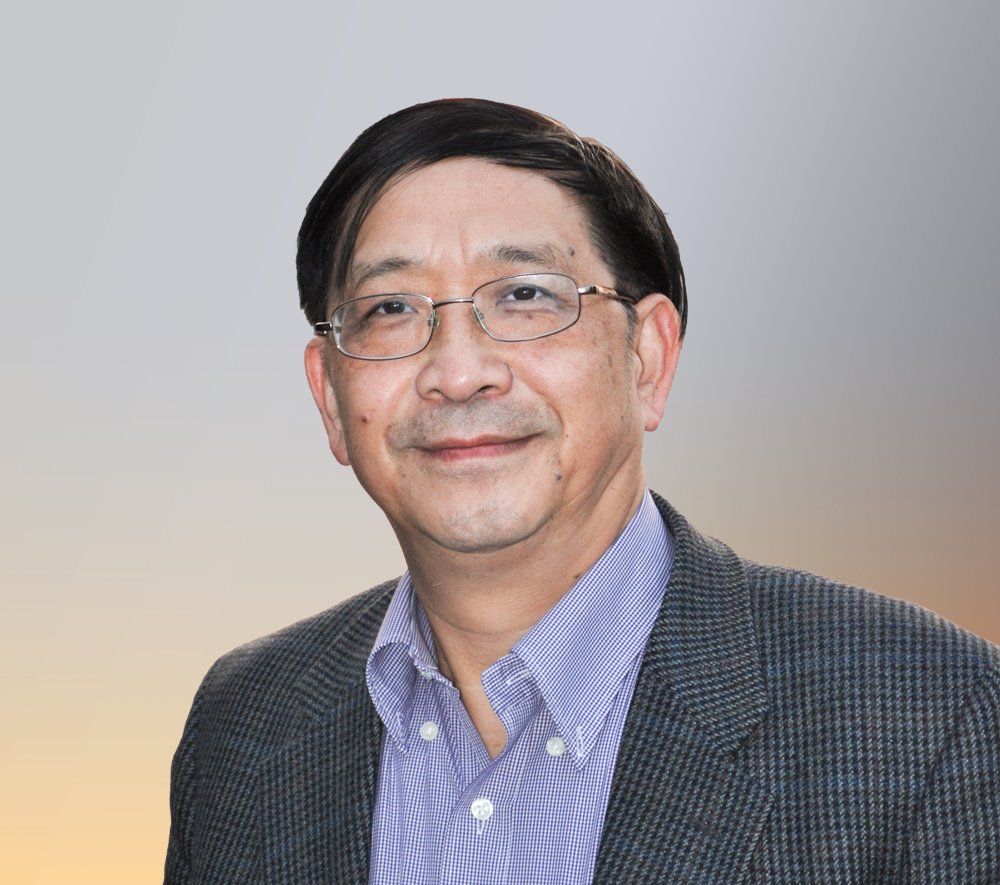
Su Wei 苏炜, librettist
Su Wei is a senior lecturer in the Yale University Department of East Asian Languages and Literatures. In 2019, he was the recipient of the Richard H. Brodhead ’68 Teaching Prize at Yale. Also a writer and critic, his work has been widely published in China. He is the author of three novels: Dukou, you yi ge zaochen (Another Morning at the Ferry), Mi gu (Lost Valley), and Mi diao (Key of E); a collection of short stories, Yuan xing ren (Sojourners); a collection of academic essays, Xi yang jing yu (Western Mirror); and three memoirs, Du zi mian dui (Facing Myself), Zhan zai Yelu de jiangtai shang (At the Podium at Yale), and Zou JinYelu (Entering Yale).