1
2
3
4
5
6
7
8
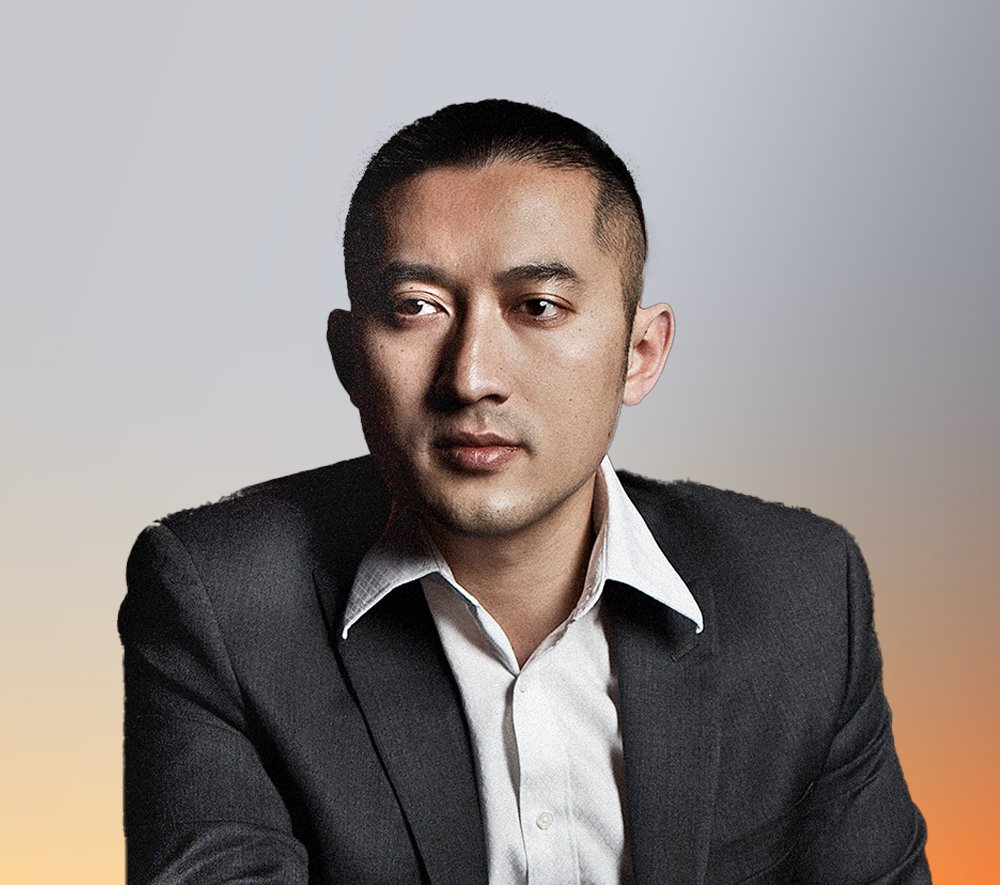
Huang Ruo 黄若
Composer Huang Ruo has been lauded by The New York Times for having “a distinctive style.” His vibrant and inventive musical voice draws equal inspiration from Chinese ancient and folk music, Western avant-garde, experimental, noise, natural and processed sound, rock, and jazz to create a seamless, organic integration using a compositional technique he calls “Dimensionalism.” Huang Ruo’s diverse compositional works span from orchestra, chamber music, opera, theater, and dance, to cross-genre, sound installation, architectural installation, multi-media, experimental improvisation, folk rock, and film. His music has been performed by the New York Philharmonic, Philadelphia Orchestra, Boston Symphony Orchestra, San Francisco Symphony, BBC Symphony Orchestra, Netherlands Radio Philharmonic, Santa Fe Opera, Washington National Opera, Houston Grand Opera, Opera Theatre of St. Louis, Asko/Schoenberg, Ensemble Modern, London Sinfonietta. He has written 8 operas including M. BUTTERFLY, PARADISE INTERRUPTED, and AN AMERICAN SOLDIER, which was named one of the best classical music events in 2018 by The New York Times. He served as the first composer-in-residence for Het Concertgebouw Amsterdam. Huang Ruo was born in Hainan Island, China in 1976 - the year the Chinese Cultural Revolution ended. Growing up in the 1980s and 1990s when China was opening its gate to the Western world, his education expanded from Bach, Mozart, Stravinsky, and Lutoslawski, to include the Beatles, rock and roll, heavy metal, and jazz. He earned a BM degree from the Oberlin College, and MM and DMA degrees from the Juilliard School. Huang Ruo is a composition faculty at the Mannes School of Music. Huang Ruo’s music is published by Ricordi. (www.huangruo.com)
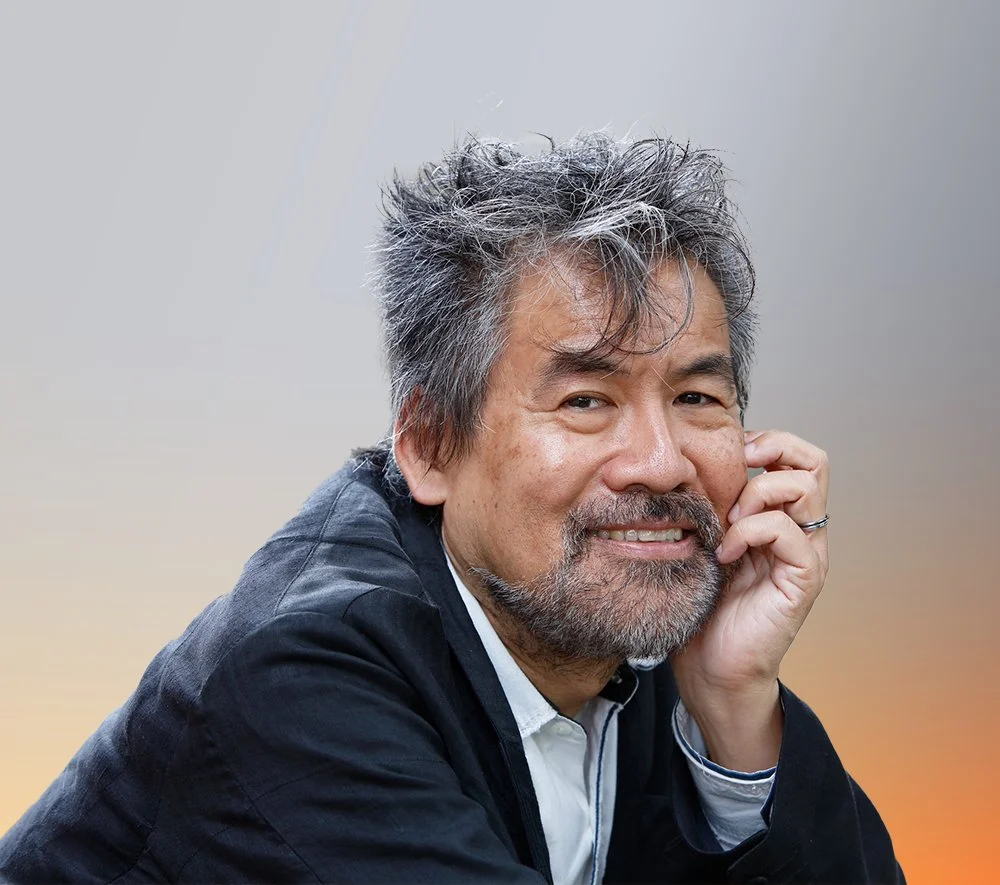
David Henry Hwang 黄哲伦
David Henry Hwang’s stage works includes the plays M. Butterfly, Yellow Face, Chinglish, Kung Fu, Golden Child, The Dance and the Railroad, and FOB, as well as the Broadway musicals Elton John & Tim Rice’s Aida (co-author), Flower Drum Song (2002 revival) and Disney’s Tarzan. Hwang is a Tony Award winner and three-time nominee, a three-time OBIE Award winner, a Grammy Award winner who has been twice nominated, and a three-time Finalist for the Pulitzer Prize in Drama. Opera News called him America’s most-produced living opera librettist. He co-wrote the Gold Record “Solo” with the late pop icon Prince and was a Writer/Consulting Producer for the Golden Globe-winning television series The Affair from 2015-2019. Hwang is currently creating Empress, a TV series for Netflix; the live-action musical feature film The Hunchback of Notre Dame for Disney Studios; and a movie to star actress Gemma Chan. Hwang serves as Head of Playwriting at Columbia University School of the Arts and sits on the Board of the American Theatre Wing, where he recently completed his term as Chair. His newest work, Soft Power, a collaboration with composer Jeanine Tesori, premiered at Los Angeles’ Ahmanson Theatre, where it won six Ovation Awards. Its subsequent run at the Public Theatre in NYC received a 2020 Grammy nomination for Best Musical Theatre Album and was a Finalist for the 2020 Pulitzer Prize in Drama.
In 2016, The David Henry Hwang Society was founded by William C. Boles (Rollins College), Martha Johnson (University of Minnesota), and Esther Kim Lee (University of Maryland). The DHH Society is devoted to the scholarly examination of plays by David Henry Hwang.
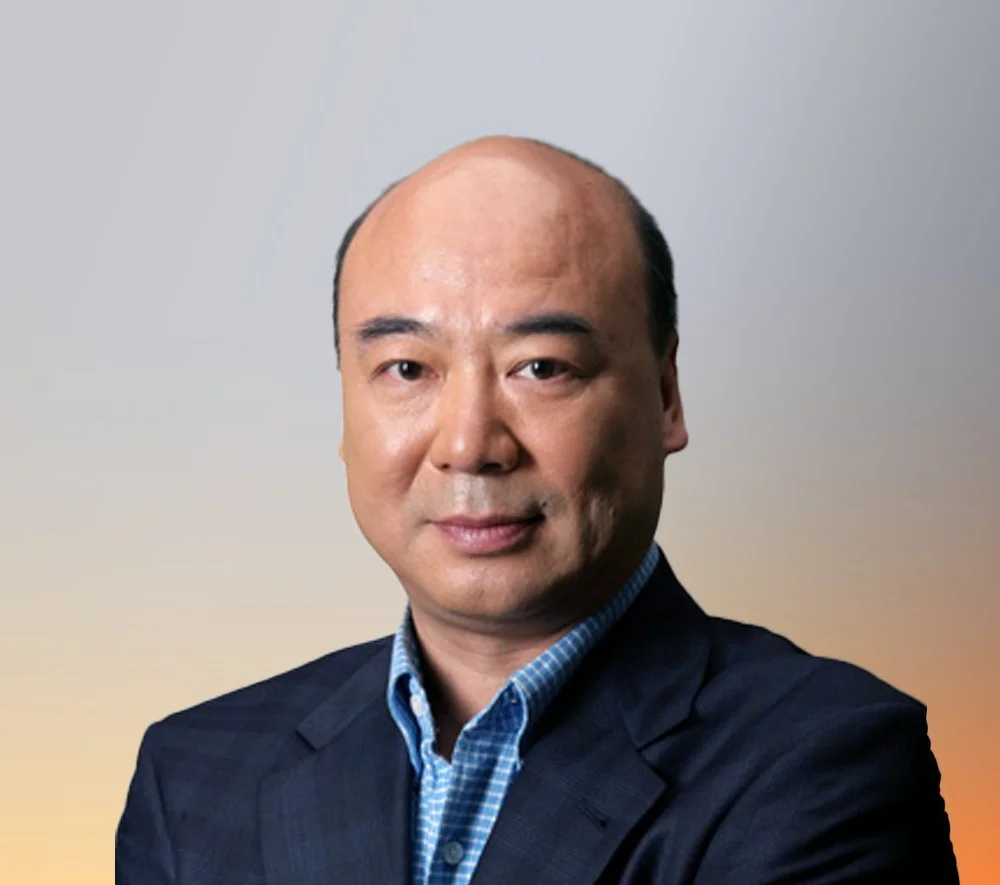
Zhou Long 周龙
Zhou Long is internationally recognized for creating a unique body of music that brings together the aesthetic concepts and musical elements of East and West. Winner of the 2011 Pulitzer Prize for his first opera, Madame White Snake, Dr. Zhou also received the American Academy of Arts and Letters Award, the 2012-2013 Elise Stoeger Prize from Lincoln Center Chamber Music Society. He has been two-time recipient of commissions from the Koussevitzky, Fromm Music Foundations, Meet the Composer, Chamber Music America, and the New York State Council on the Arts. He has received fellowships from the National Endowment for the Arts, the Guggenheim and Rockefeller Foundations, and the New York Foundation for the Arts. In 2015, Zhou Long and Chen Yi both were nominated the 58th Grammy Award.
Born on July 8, 1953 in Beijing. Zhou Long enrolled in the Central Conservatory of Music in Beijing in 1977. Following graduation in 1983, he was appointed composer-in-residence with the China Broadcasting Symphony. He travelled to the United States in 1985 under a fellowship to attend Columbia University, where he studied with Chou Wen-Chung, Davidovsky and Edwards, receiving a Doctor of Musical Arts degree in 1993. Dr. Zhou is currently Distinguished Professor of Music at the University of Missouri-Kansas City Conservatory of Music and Dance.
Recently, he has completed Tsingtao Overture, which awarded China National Arts Fund; Beijing Rhyme - A Symphonic Suite, commissioned by the Beijing Symphony Orchestra, a quartet co-commissioned by the Wigmore Hall and Lincoln Center, and his first piano concerto Postures co-commissioned by the BBC Proms and Singapore Symphony. In 2013, Zhou Long has composed a whole evening symphonic epic 'Nine Odes' on poems by Qu Yaun for four solo vocalists and orchestra, commissioned by the Beijing Music Festival. Zhou’s music of all genres has been widely performed and recorded, and published by the Oxford University Press and the Shanghai Music Publishing House.
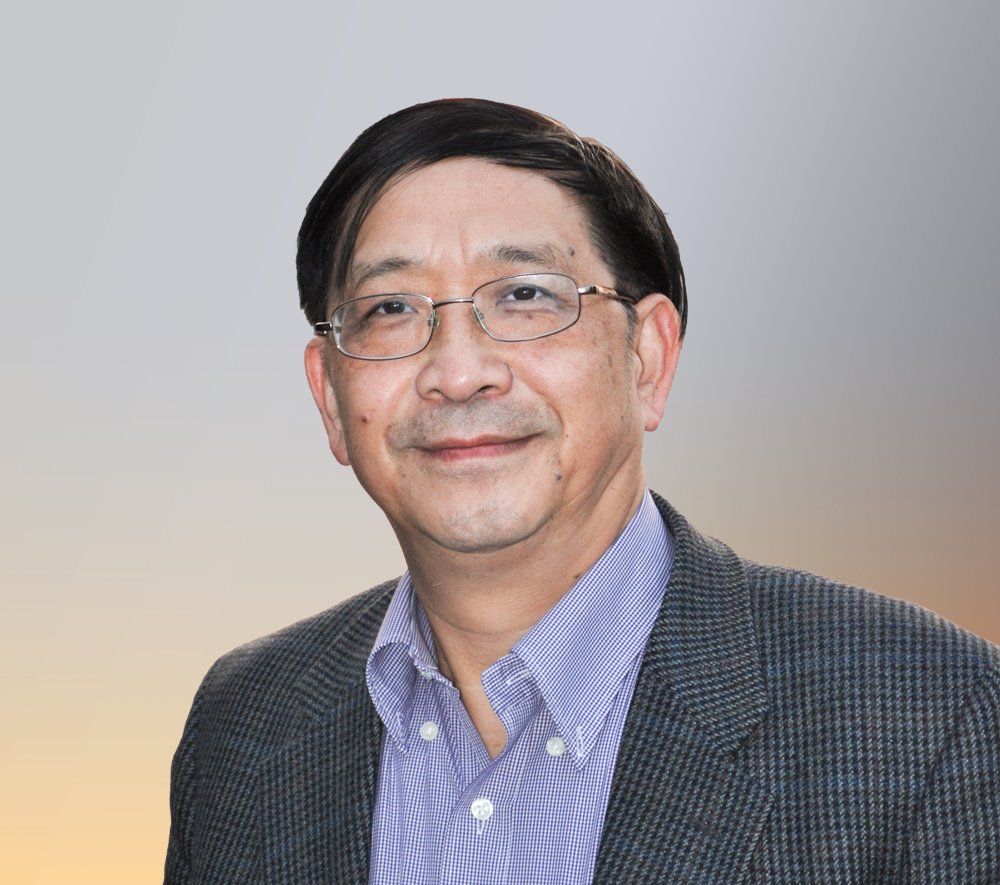
Su Wei 苏炜
Su Wei is a senior lecturer in the Yale University Department of East Asian Languages and Literatures. In 2019, he was the recipient of the Richard Brodhead'68 Prize for Teaching Excellence at Yale. Also a writer and critic, his work has been widely published in China. He is the author of three novels: Dukou, you yi ge zaochen (“Another Morning at the Ferry,” 1982, Guangdong), Mi gu (“Lost Valley,” 1999, Taiwan; 2006, Beijing), and Mi diao (“Key of E,” included in the “Best Chinese Novels of the Year, 2004,” 2007, Guangdong); a collection of short stories, Yuan xing ren (“Sojourners,” 1987); a collection of academic essays, Xi yang jing yu (“Western Mirror, ” 1988, Zhejiang); and two collections of memoirs, Du zi mian dui (“Facing Myself,” 2003, Shanghai),Zhan zai Yelu de jiangtai shang (“At the Podium at Yale,” 2006, Taipei) Zou JinYelu(“Entering Yale, 2009, Beijing).
Li Shaosheng 李劭晟
Described by the New York Times as “deftly scored work that is veering from lustrous Impressionist washes to folksy Ivesian polytonal clashes,” the music of Shaosheng Li is representative of the younger generation of Chinese composers. His works cover various genres, including symphony, chamber music, and opera, etc. He has received numerous awards, including the China Golden Bell Award, the “Times Symphony” from the Ministry of Culture and Tourism of the People’s Republic of China, the only commission prize at the China Shanghai International Arts Festival, and the first prize in song collection from the Ministry of Education and the General Administration of Sport, and so forth. He was also one of Forbes China 100 outstanding overseas returnees in 2022.
Shaosheng Li’s music exhibits a distinctive personal style, blending both Eastern and Western musical languages with a strong artistic appeal. His works have been performed around the world, including the Carnegie Chinese Music Festival, the New York Chinese Contemporary Music Festival, the Australia Chinese Music Festival, the Iceland Modern Music Festival, the Thailand International Composition Music Festival, the Beijing Modern Music Festival, Shenzhen International Music Festival, Beijing Fringe Festival, the Tsingtao International Music Festival.
He studied composition at the Central Conservatory of Music, Juilliard School, and the University of Missouri-Kansas City. He is the first composer from Central Conservatory to be admitted to Juilliard School.
Zhang Zheng 张征
Composer Zhang Zheng is a professor and dean of the School of Music Education in China, as well as a member of the First Beijing Education Commission and the Core Curriculum Guidance Group for Music Education in Art Professional Degrees. He was the winner of the inaugural China Television Drama Annual Gala’s “Behind-the-Scenes (Composer)” award and his pieces have been supported by the National Arts Fund’s creative grant program on multiple occasions, with “Qingfeng Yu” winning the Excellence Award for Works on Clean Culture in Beijing’s Higher Education Institutions. He composed the official promotional video for the G20 Summit, titled “Hangzhou”; the theme song for the major historical drama series “The Great Battle” produced by the Central Radio and Television Station; and the song “Centimeter Heart” for the centennial of the founding of the troupe.
Luk Wai Chun 陆尉俊
Luk Wai Chun holds a doctorate of music in composition from the Chinese University of Hong Kong. As a visiting scholar at the University of South Florida, he studied jazz and conducted research on Latin American music, with fieldwork in Cuba, Peru, Bolivia, and Brazil. He has collaborated with leading ensembles across Asia, Europe, and North America. His Chinese orchestral work Eager to Fly received the Best Young Composer’s Serious Composition Award at the 22nd CASH Golden Sail Music Awards. His chamber works Autumn Yearning on the Steppe (2024) and Tan-Tiao Rock (2021) won gold prizes at the Dunhuang Awards. His music has been presented at the International Computer Music Conference and the International Rostrum of Composers.
Wang Danhong 王丹红
Wang Danhong holds a doctorate in composition from the Central Conservatory of Music (CCOM), where she now serves as a professor of composition. She is recognized as one of the most dynamic young composers in contemporary China, having received prestigious awards including the Wenhua Award, the Gold Prize for Young Composers at the Chinese Music Forum, and Best Original Work at the CCTV National Chinese Instrumental Music Competition.
In 2021, Wang was selected for China’s National High-Level Talent Support Program as a “Top Young Talent.” Her works have been featured in major cultural projects such as Symphony of the Times and Centenary – 100 Works, and she has composed for significant national events including the 75th Anniversary of the PRC, and the 2024 China International Confucius Culture Festival.
Wang’s music is known for its emotional richness, lyrical melodies, and expansive style. She composes across genres, including Chinese traditional orchestral music, symphonic works, ballet, and film scores. Major compositions include Forever Shandan, Ode to the Sun, and Impressions of Shanxi for Chinese orchestra; The Lighthouse and The Yangtze South for symphony orchestra; the symphonic choral work A Vision of Jing-Jin-Ji; and the ballet Like Flowers.